Provincial Official Calls for Consumer Protection and Investigation Into Ford Vehicle Complaints in Negros Oriental
A growing number of complaints involving alleged vehicle damage and after-sales concerns has prompted a call for verification, dialogue, and possible government action in Negros Oriental.
During a discussion concerning the complaints, the official challenged the parties involved to come forward and meet at the office so that the matter could be examined properly, including with the assistance of lawyers.
“Come to my office. Let us sit down together. Let us look at the cases with the lawyers—what case you have and what case the other side has.”
Complaints Prompt Call for Verification
The official said the concerns should not simply be dismissed without first determining the facts. According to the statements, several complaints have reportedly been received involving vehicles that allegedly sustained damage.
The official emphasized that the extent of the reported damage should be properly verified rather than relying solely on claims from either side.
The proposed approach is to bring the concerned parties together and allow legal representatives to examine the circumstances surrounding each complaint.
Questions Raised Over Vehicle Damage
One of the issues highlighted was whether the reported damage was minor or significant and whether customers were properly informed about the condition of their vehicles.
The official also shared a personal family experience involving a Ford Raptor, saying that the vehicle was only about a year old and had reportedly not been used for some time because of an issue.
From the family’s perspective, the situation was described as unfair.
However, the official also stressed the importance of gathering information and understanding the experience of affected consumers before reaching conclusions.
Matter Remains Under Investigation
The official clarified that the issue remains under investigation and that no final judgment should be made before the facts are established.
The discussion also touched on the role of the Sangguniang Panlalawigan in protecting consumers.
According to the statement, the provincial government has the authority to create or support measures designed to protect consumers and ensure that complaints are properly addressed.
Government Departments May Need to Coordinate
Another important point raised was the need for government departments to coordinate when consumer complaints are brought forward.
Rather than allowing complaints to remain unresolved for an extended period, the official called for faster coordination and action among the appropriate government offices.
The goal is to ensure that residents know where they can bring their concerns and that their complaints receive proper attention.
Encouraging Residents to Speak Up
The official also encouraged people who may be afraid to speak about their experiences to come forward.
The message was clear: consumers should know that they have the right to seek assistance when they believe they have been treated unfairly.
The provincial government, according to the statement, should be willing to help protect people who raise legitimate concerns.
Protecting Consumers Is Part of Local Development
Beyond the specific complaints involving Ford vehicles, the discussion raised a broader issue about consumer protection in Negros Oriental.
The official emphasized that protecting residents and ensuring accountability are important parts of the province’s development.
For Negros Oriental to continue moving forward, the statement suggested that disputes, complaints, and alleged unfair practices should be addressed properly rather than ignored.
The call is therefore not simply for one side to be blamed. Instead, it is for the concerned parties, lawyers, and relevant government offices to examine the facts, coordinate their efforts, and determine what action may be appropriate.
A Call for Facts, Fairness, and Accountability
The situation remains subject to investigation, and the allegations should not be treated as established facts until the appropriate authorities complete their assessment.
For affected consumers, however, the message is significant: speak up, document your concerns, and seek the proper government channels for assistance.
At the same time, businesses and service providers deserve an opportunity to respond to complaints and present their side.
A transparent process—where both consumers and businesses are heard—can help ensure that disputes are resolved fairly and that consumer protection in Negros Oriental continues to improve.
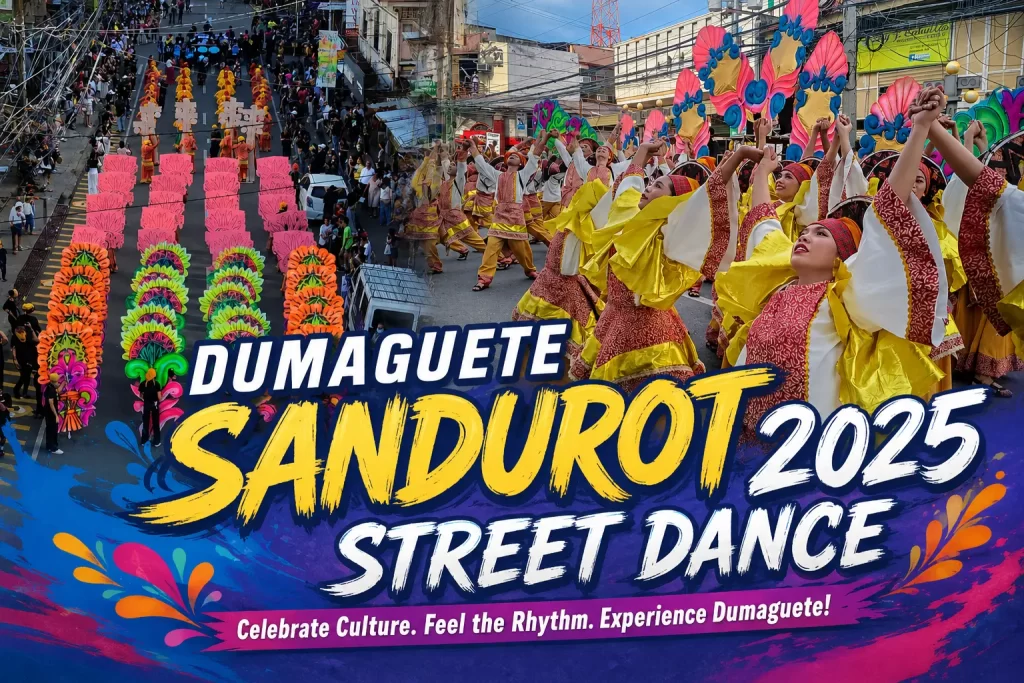
Dumaguete Sandurot 2025 street dance brings to life one of the city’s most anticipated cultural celebrations, and this page is your window into the energy, artistry, and emotion that make the festival unforgettable. As you browse through the photos on this blog, you’ll discover how each performer tells a story—through vibrant costumes, expressive movements, and heart-pounding drumbeats that echo tradition and unity.
Sandurot is more than just a street dance competition. It’s a celebration of Dumaguete’s identity, tracing back to its roots of hospitality, migration, and community. Tourists who witness Sandurot often describe it as an immersive cultural experience—filled with color, rhythm, and local charm that you won’t find anywhere else in the Philippines.
If you’re planning to visit Dumaguete next year, watching the Sandurot Festival should be on top of your list. The festival offers photographers a dream scene, culture lovers a deeper connection to local heritage, and travelers a unique celebration that showcases why Dumaguete is called the “City of Gentle People.”
And when you’re ready to explore the city beyond the festival streets, we’ll be happy to guide you around Dumaguete, Siquijor, and nearby destinations making your visit richer and easier, just like how locals welcome friends from afar.
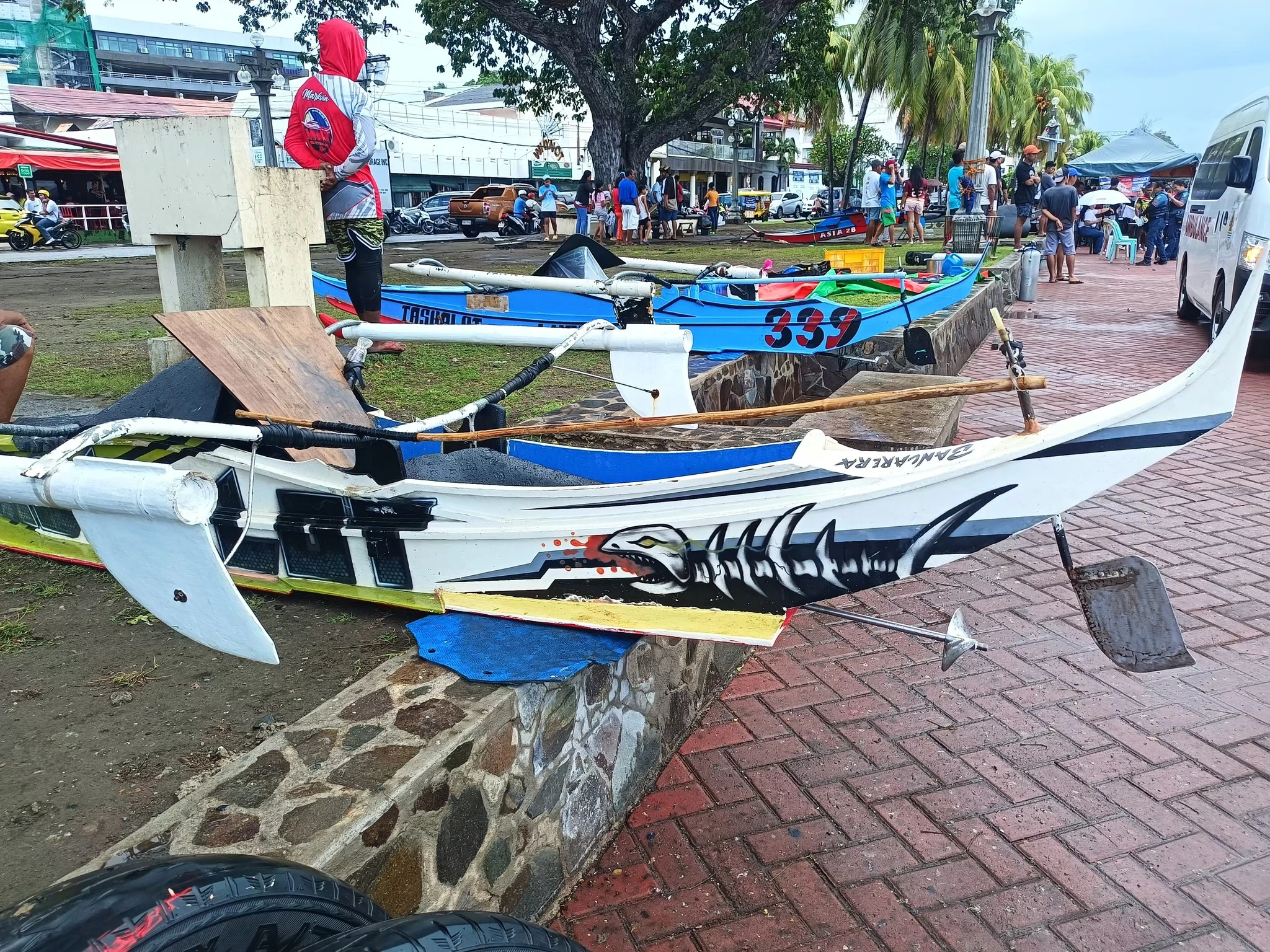
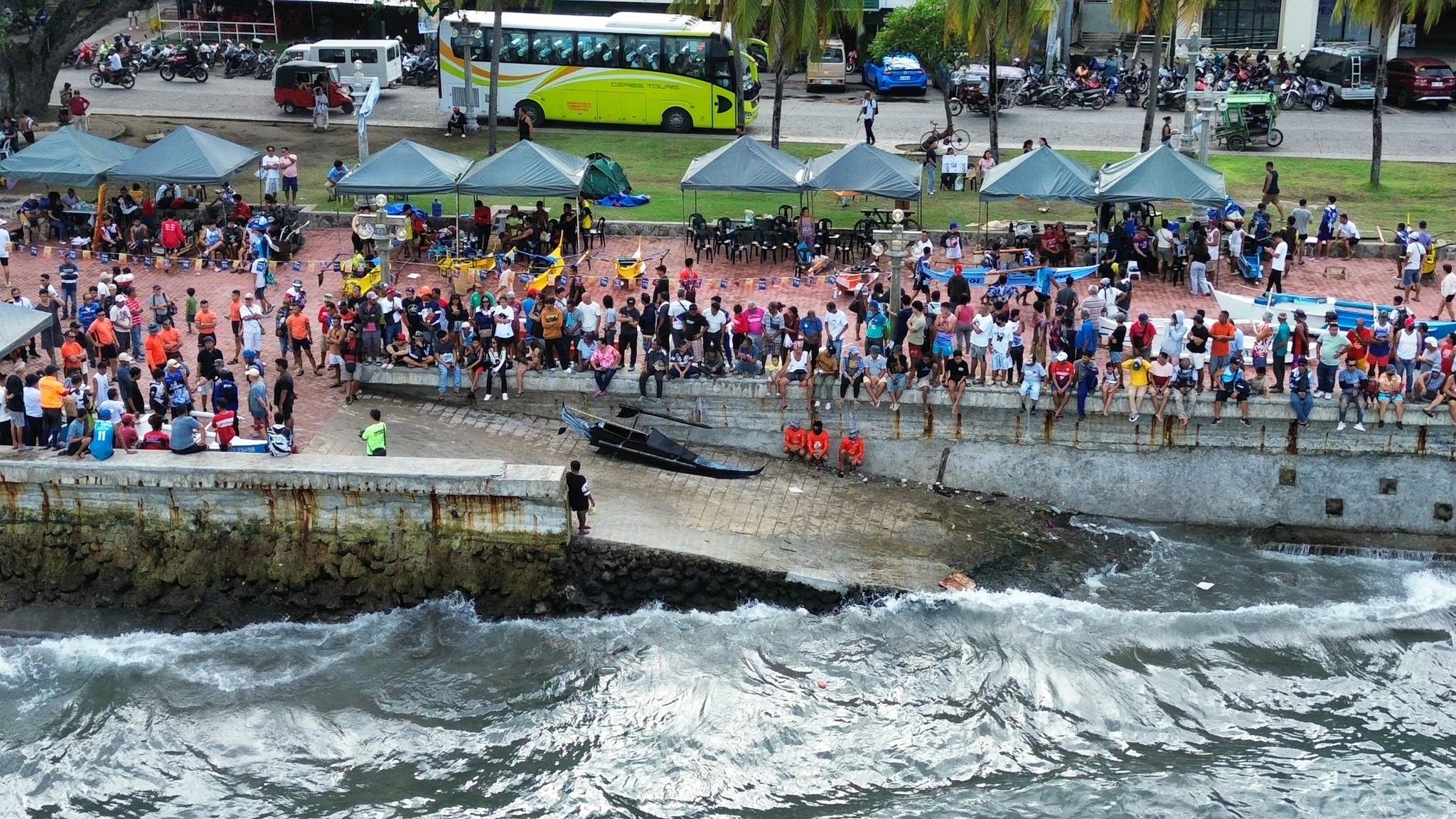
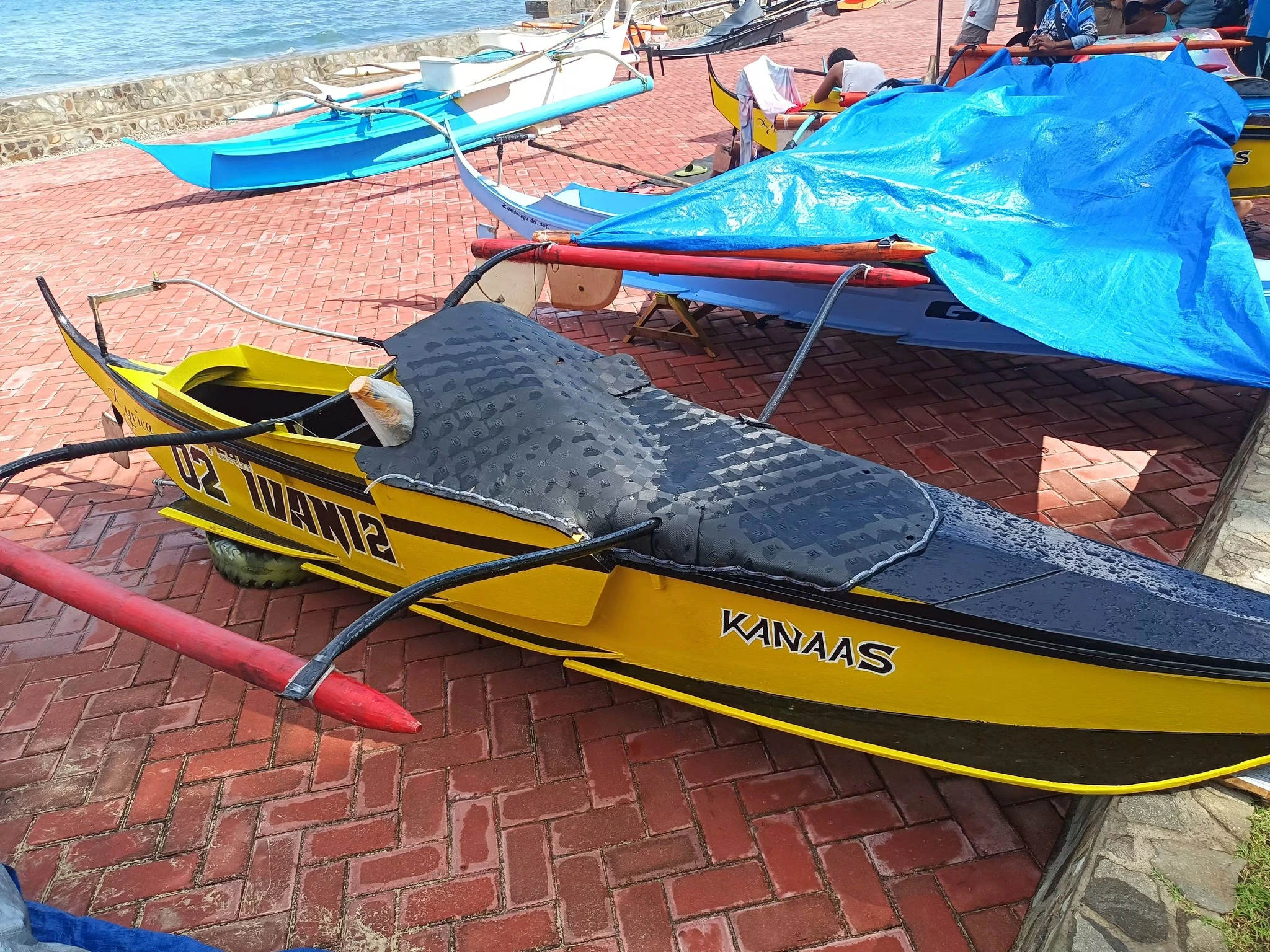
Dumaguete Bangkarera 2025 sets the stage for one of the most exciting marine competitions in Negros Oriental, drawing locals and visitors to witness the power, skill, and thrill of traditional bangka racing. Organized to celebrate Dumaguete’s rich coastal heritage, this annual spectacle showcases not just speed, but the deep connection of the community to the sea.
Every year, skilled boatmen compete using handcrafted wooden boats powered by passion and precision, turning the shoreline into a vibrant festival of color, cheering crowds, and roaring engines. Travis Travel and Tours supports this celebration by helping visitors discover the best viewpoints, nearby attractions, and tour activities to complete their Dumaguete experience.
From early-morning warm-ups to the final championship run, spectators can enjoy energetic race sequences, lively food stalls, and seaside festivities that highlight the city’s unique maritime identity. Whether you’re a photography enthusiast, culture lover, or thrill-seeker, this event offers front-row access to local talent and authentic coastal tradition.
For travelers heading to Dumaguete during the festival dates, we offer customizable tour packages, airport transfers, and day trips to maximize your visit. Contact us at +639361879131 or +639206489341, or email travistraveltours@gmail.com for arrangements tailored to your preferred schedule.
Celebrate adrenaline, tradition, and community at Dumaguete Bangkarera 2025 — where the sea becomes the stage for unforgettable excitement.
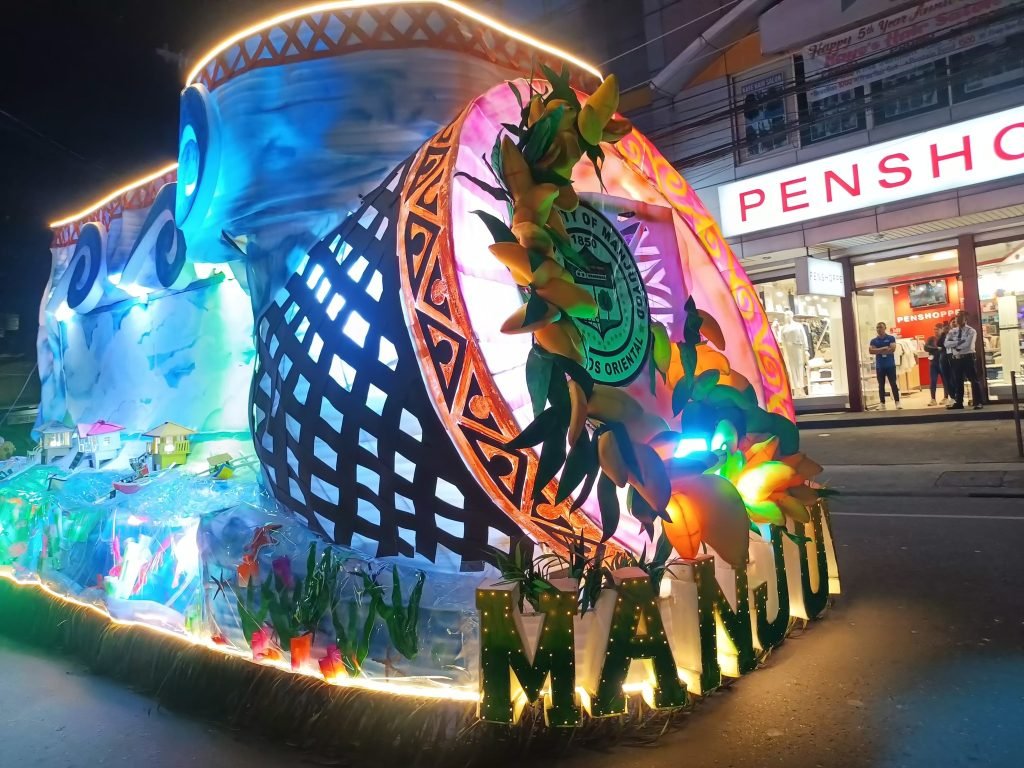
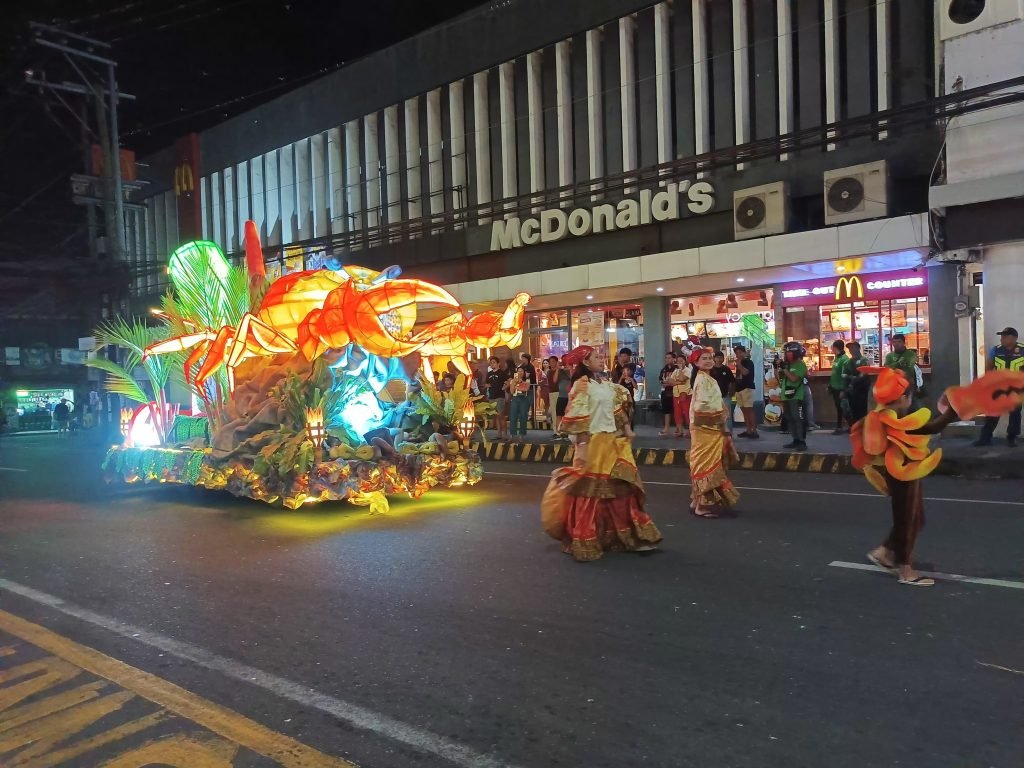
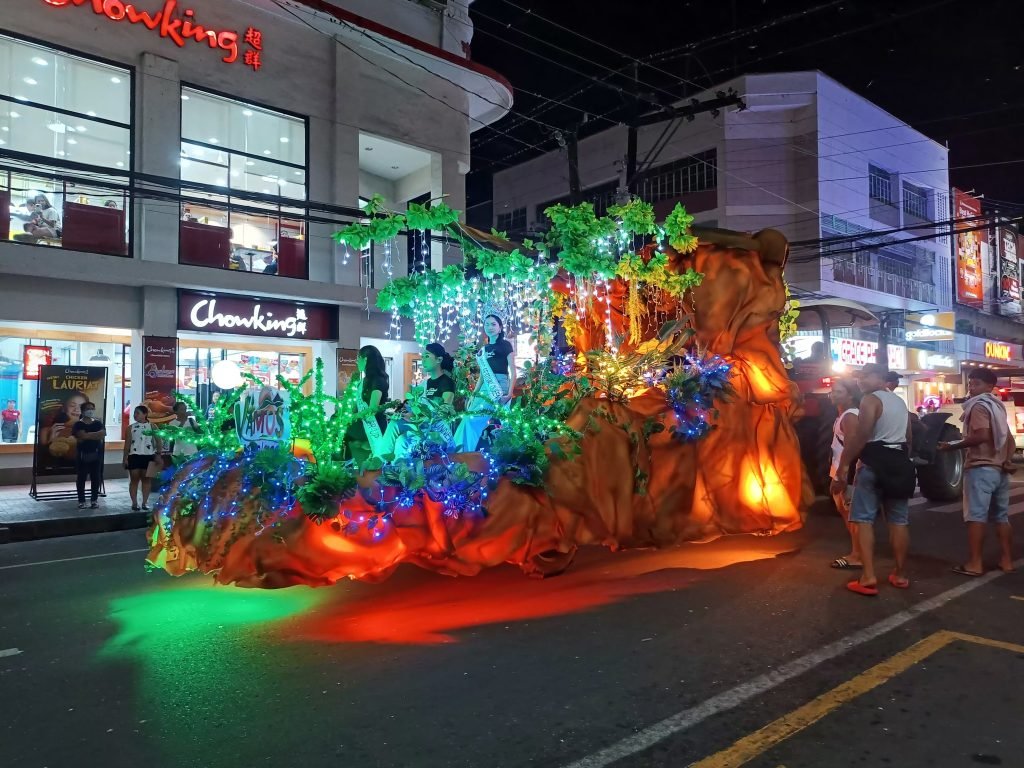
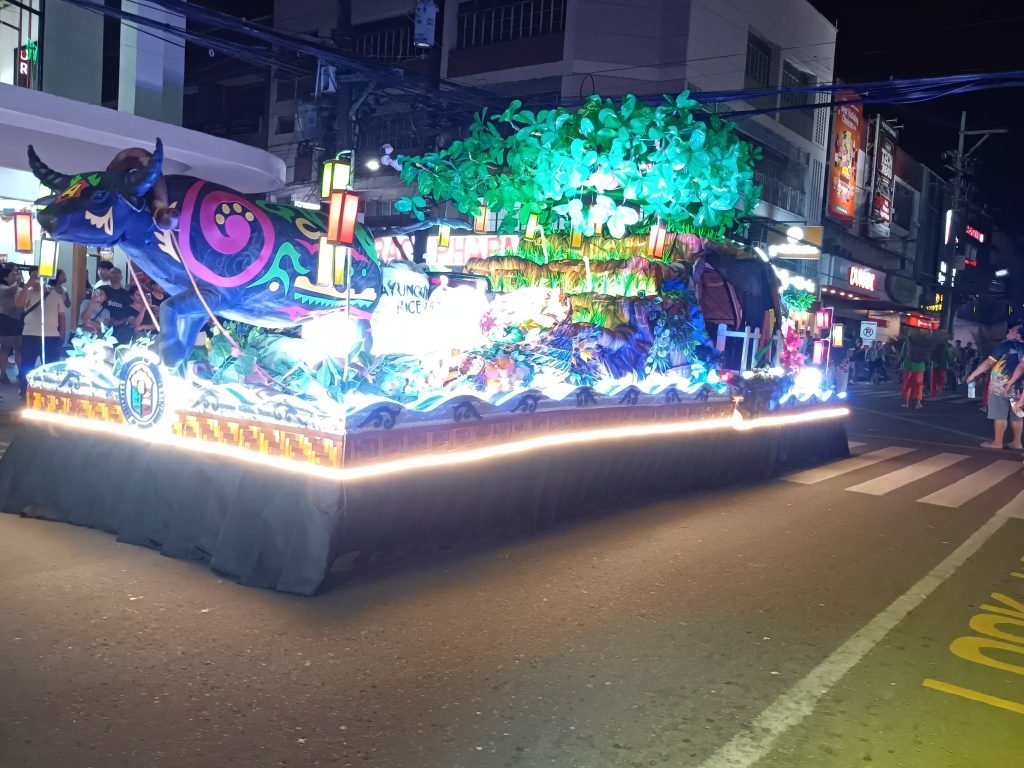
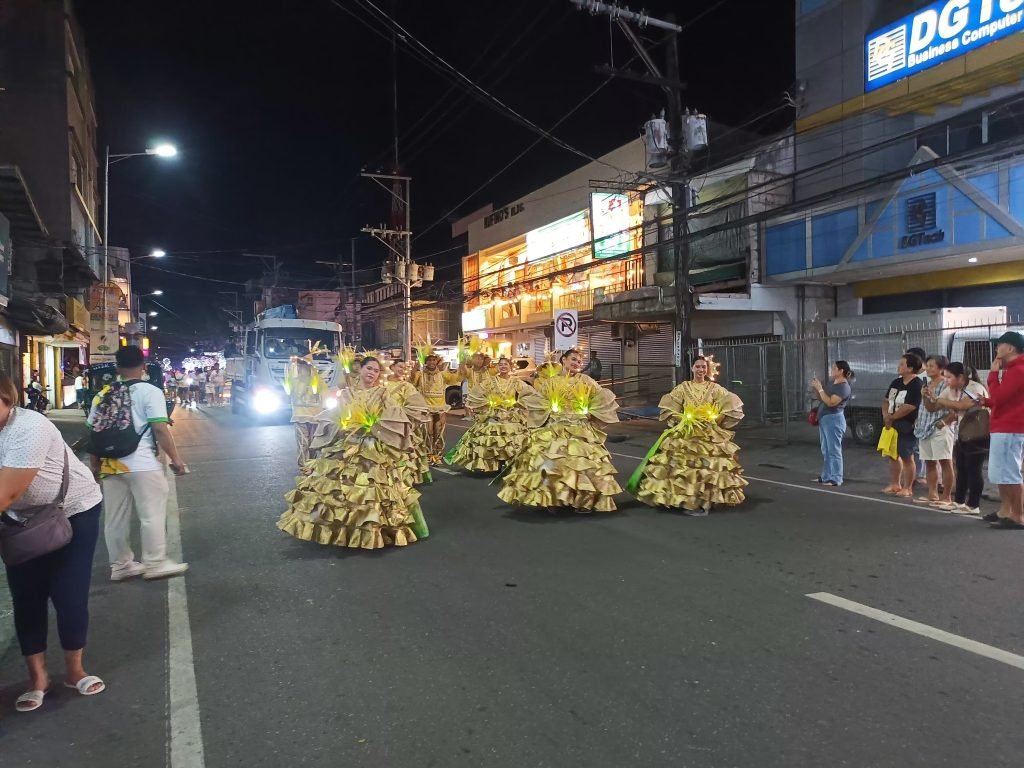
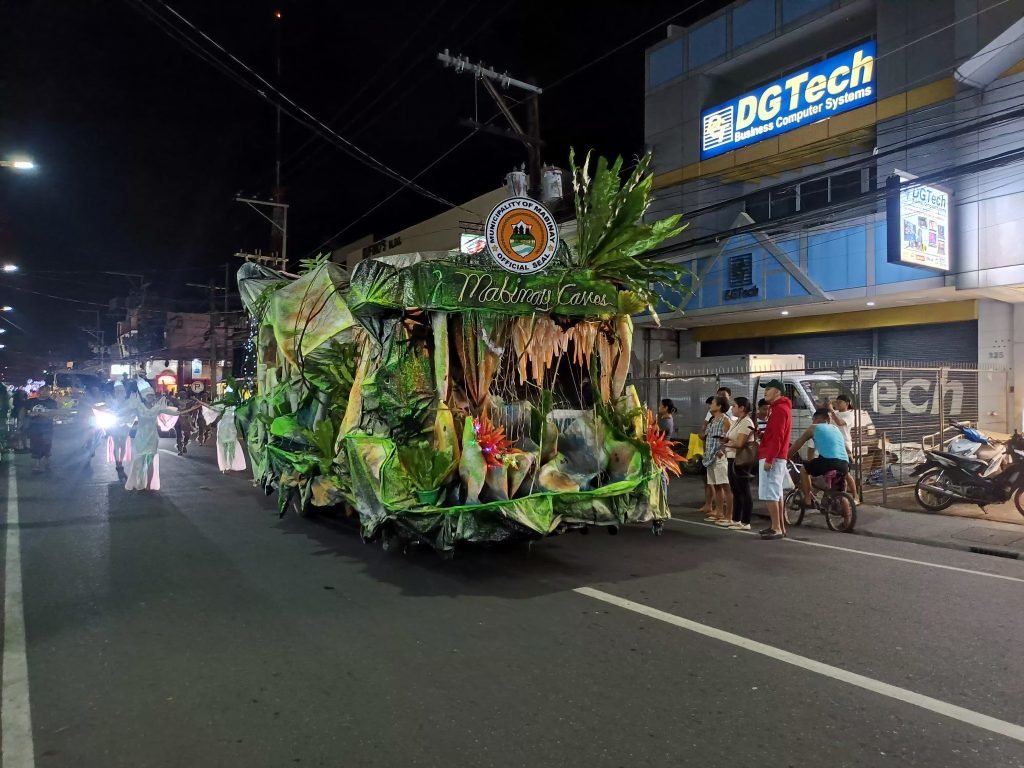
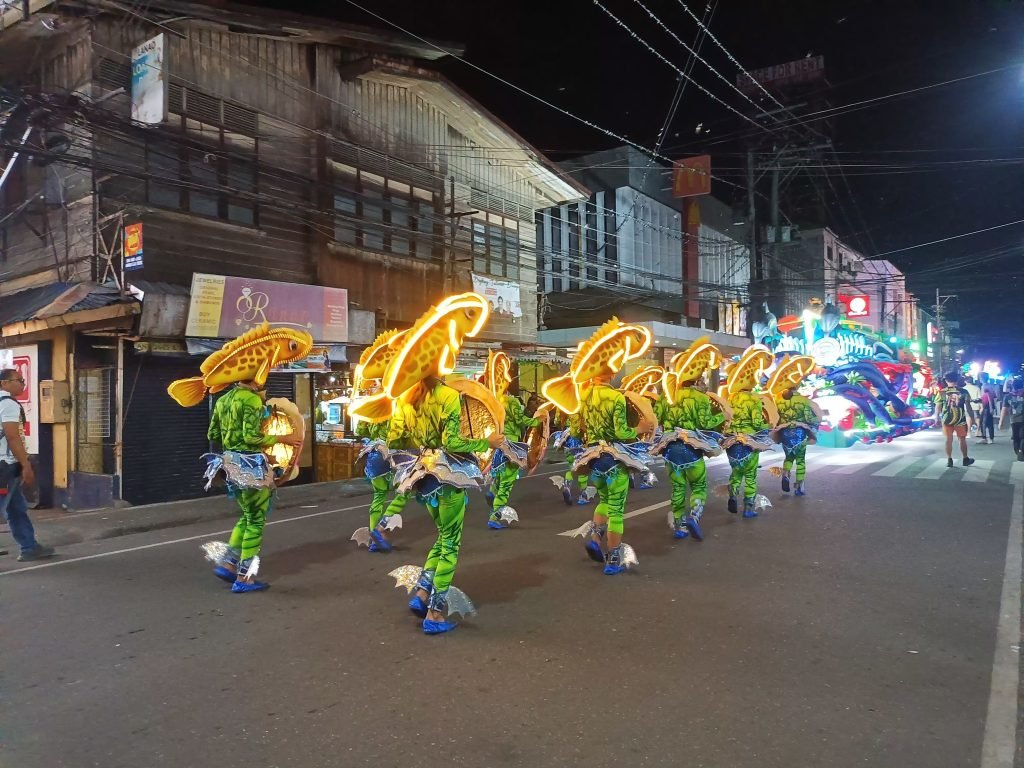
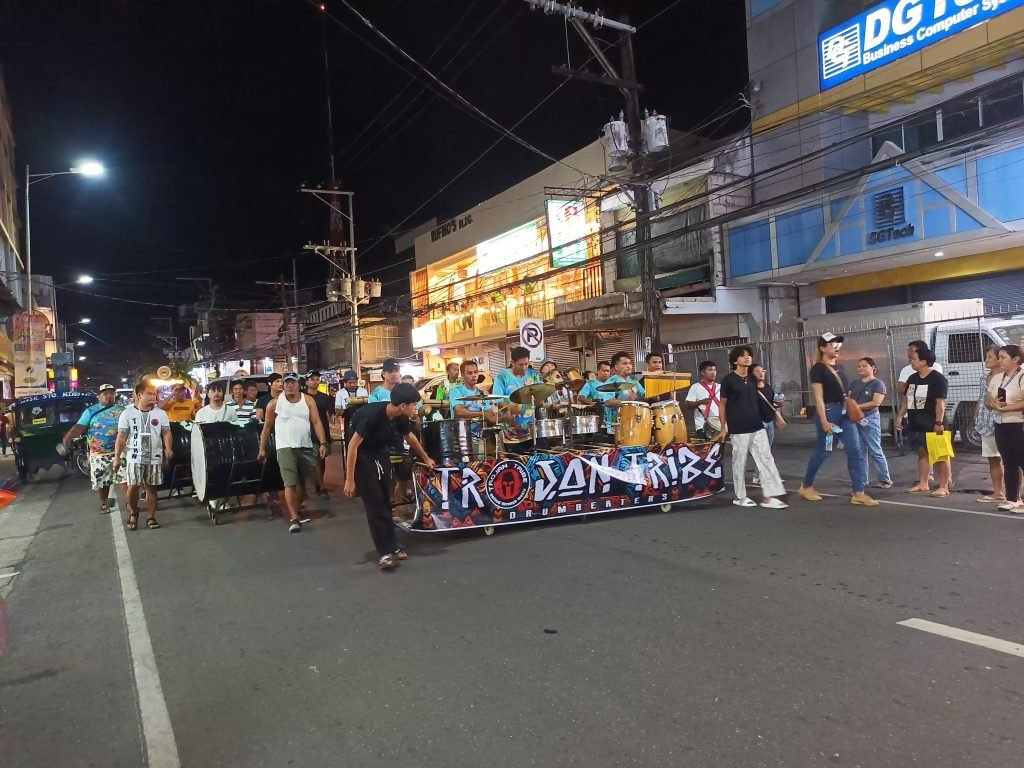
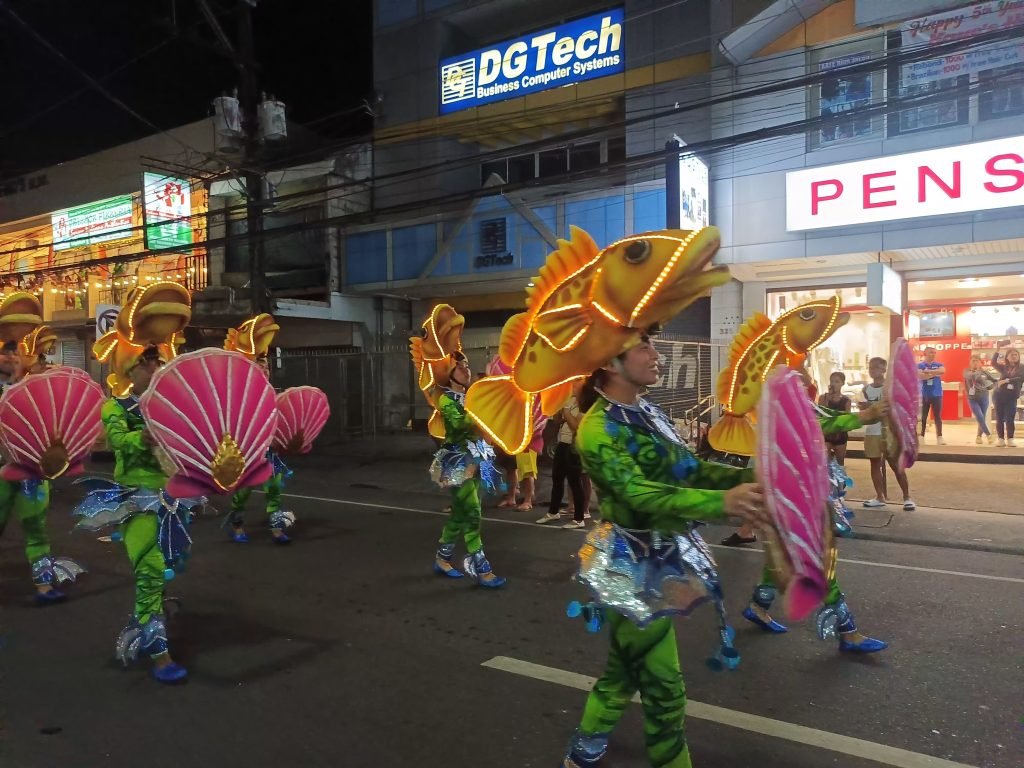
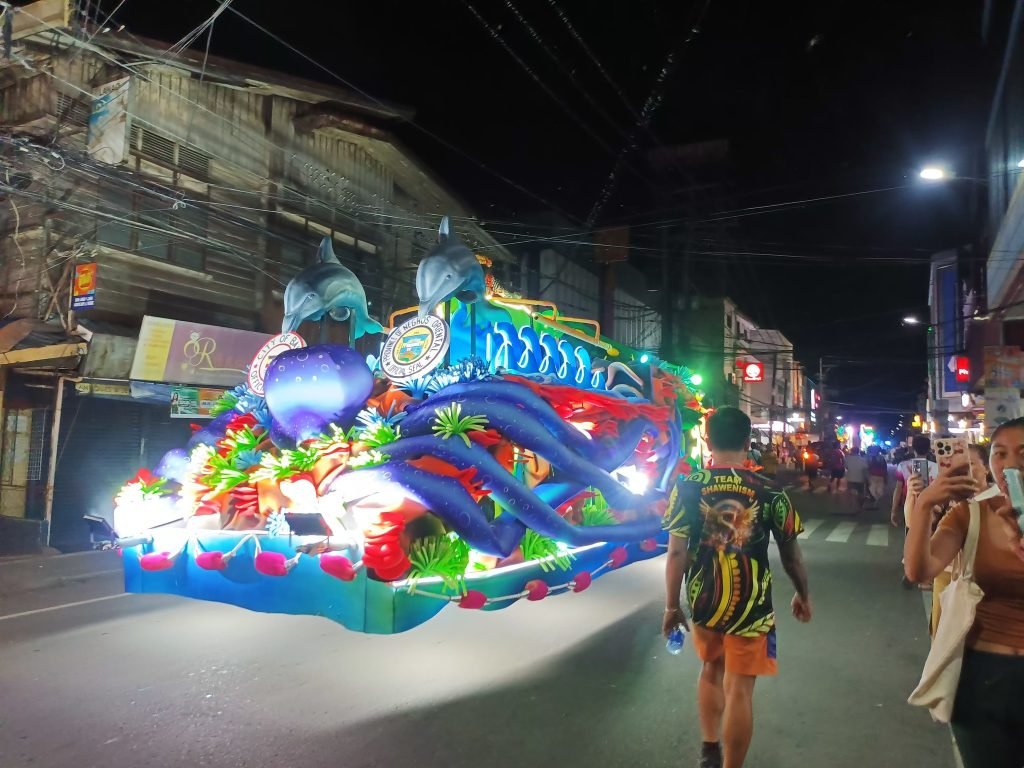
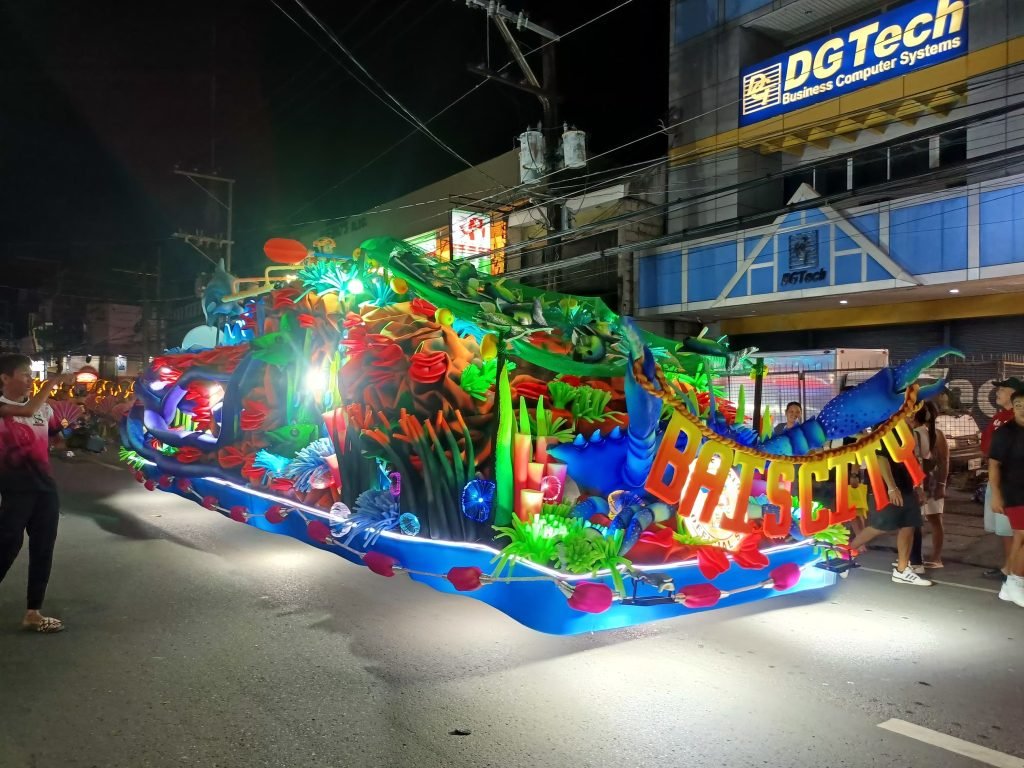
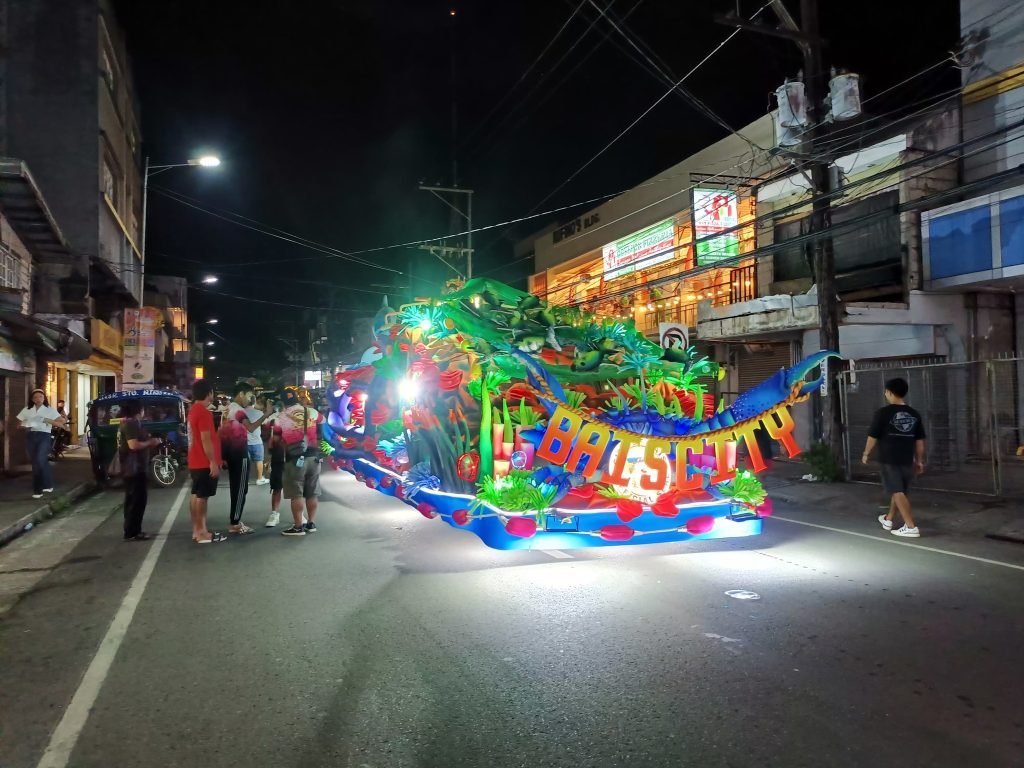
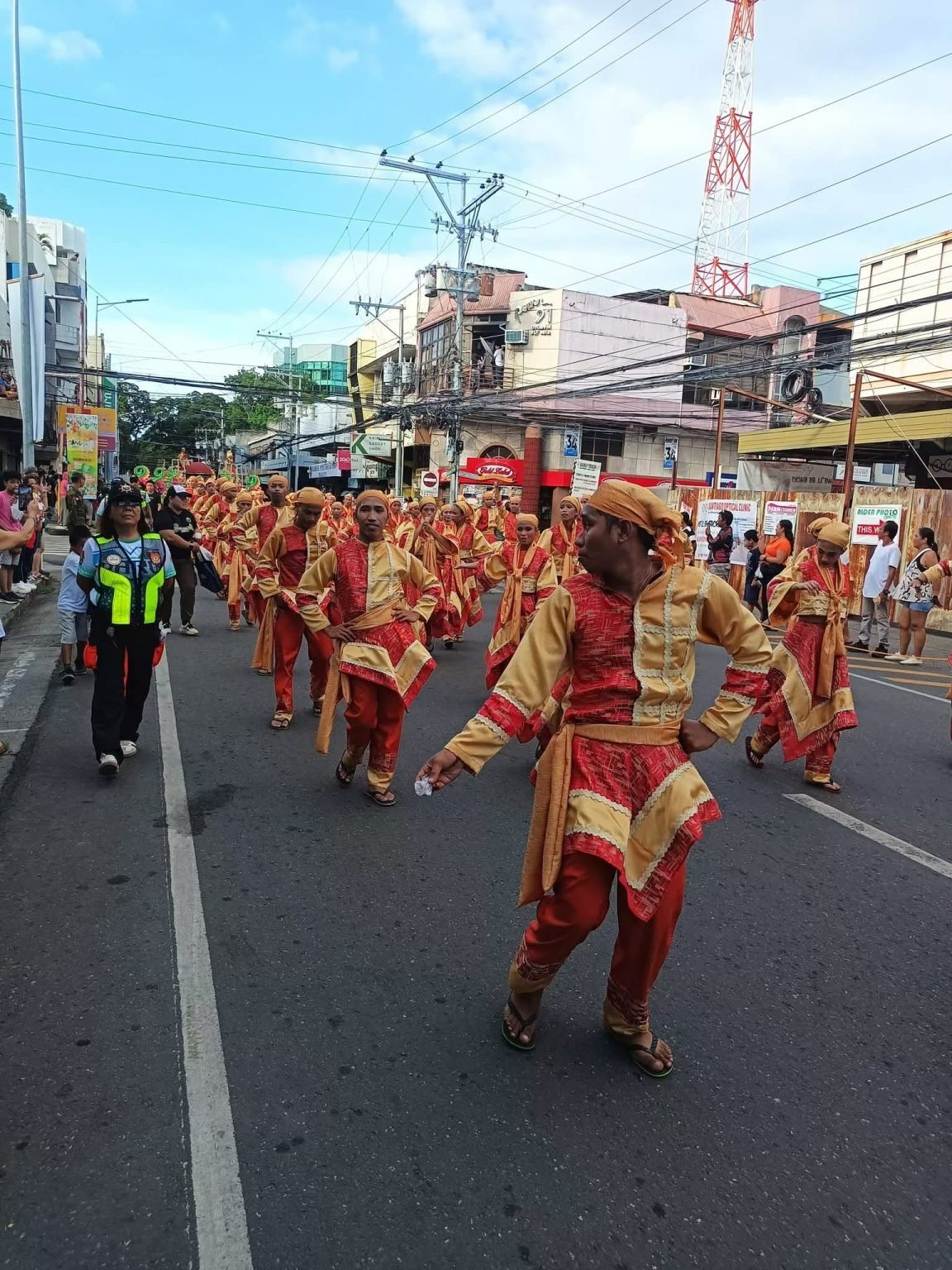
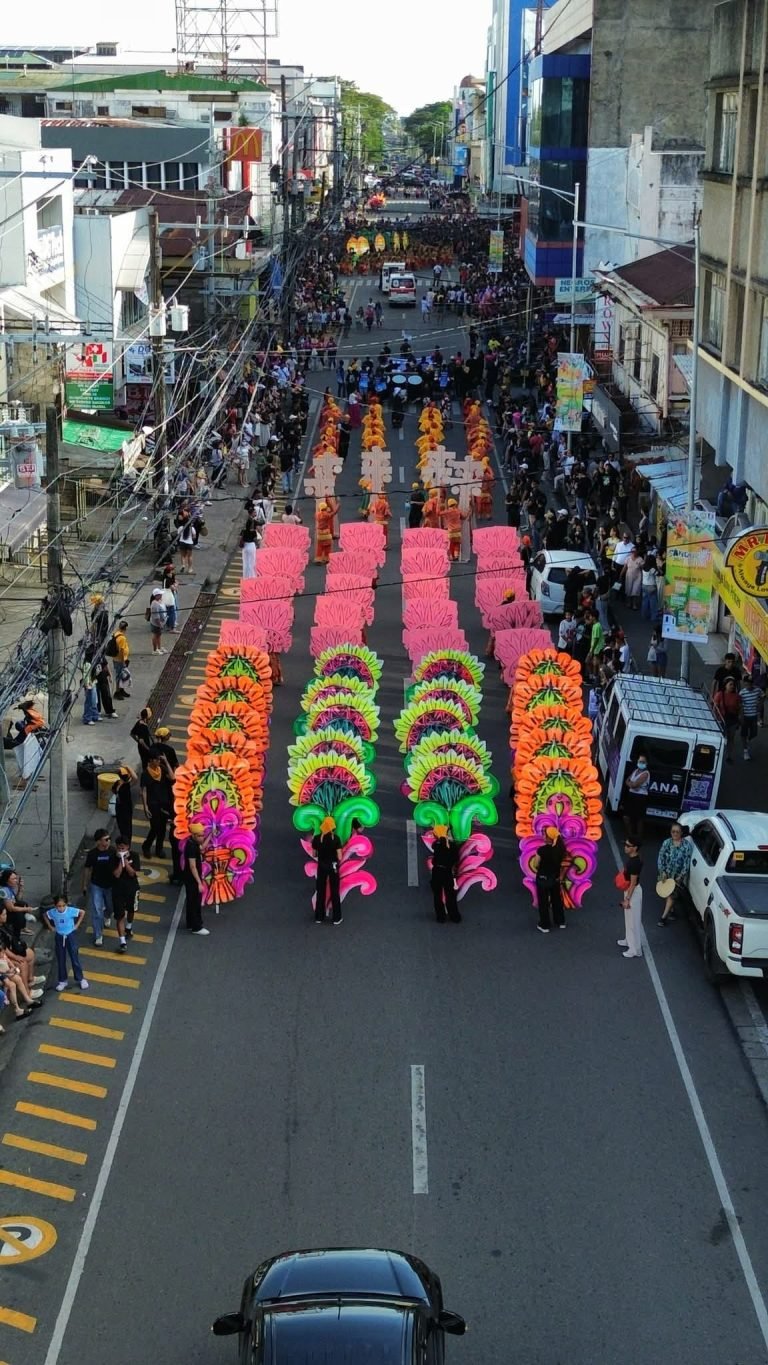
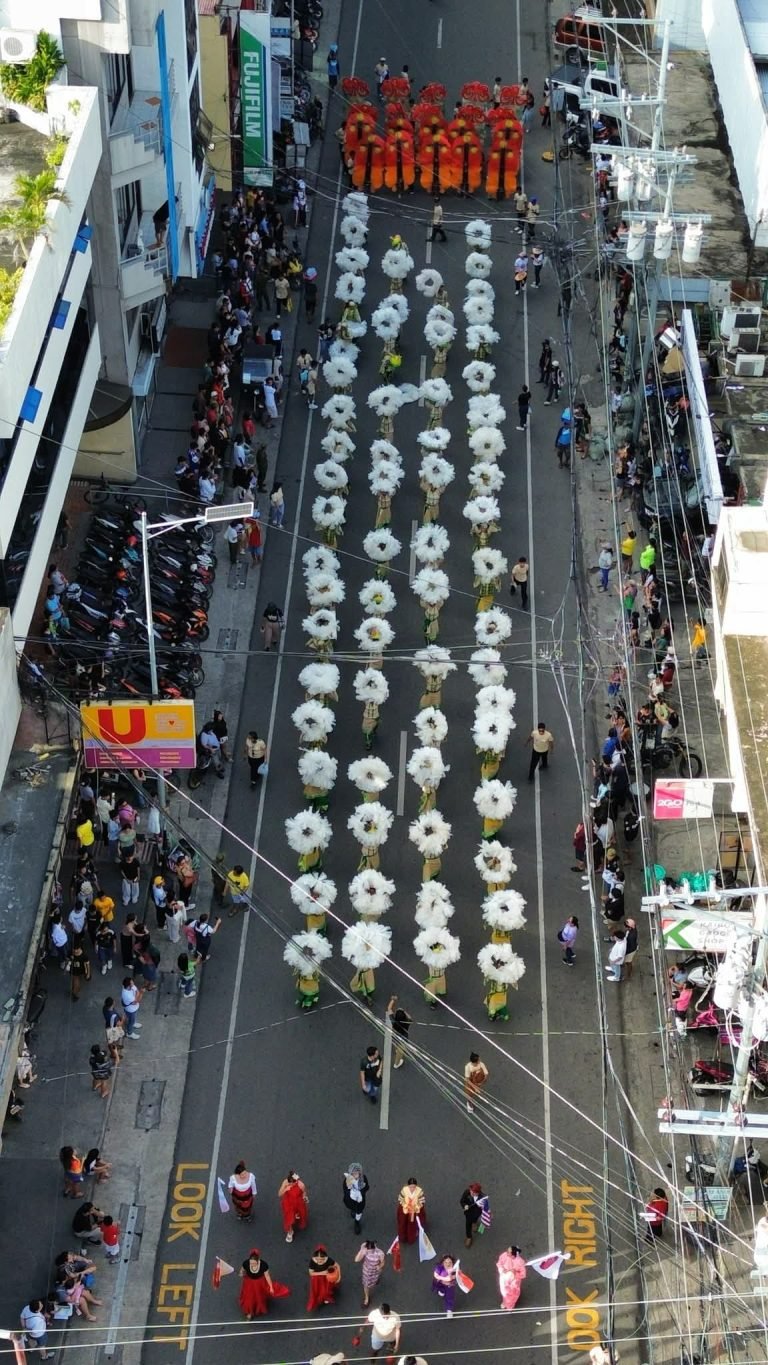
Explore the vibrant scenes from the Buglasan 2025 Night Parade through these stunning photos.
Every October, Dumaguete’s Buglasan Festival lights up the city with vibrant colors, cultural pride, and unforgettable performances – and the Buglasan Night Parade 2025 promises to be its most spectacular edition yet! As the streets come alive with dazzling floats, illuminated costumes, and rhythmic drumbeats, locals and visitors alike will experience the heart of Negros Oriental’s grandest celebration. Join us as Travis Travel and Tours brings you closer to the magic of this festive night, where Dumaguete’s creativity and community spirit shine brighter than ever.
How to Avoid Disappointment on Tours: 20 Crucial Tips for a Safer, Smarter Trip
Traveling should be exciting — discovering new places, trying new adventures, making unforgettable memories. But for many travelers, reality sometimes looks very different: endless waiting, poor organization, surprise costs, dangerous treks, and shattered expectations.
Here’s a complete guide to protecting yourself from frustrating, unsafe, or disappointing tours, packed with real traveler experiences and hard-earned lessons.
1. Research, Research, Research
Before booking any tour, dive deep into the latest reviews, not just those from a year ago. Repeated complaints about endless waiting, poor organization, surprise costs, or dangerous conditions should not be ignored. If you see patterns, trust them. Tourists regret not believing complaints about long delays, hidden fees, and poor guide behavior.
2. Understand the Full Itinerary
Ask for the minute-by-minute breakdown of the day. Many travelers complained they spent 4 to 6 hours simply waiting for boats, transportation, or for others to finish paid add-ons. Knowing exactly how much time is spent on transportation versus activities saves you from wasting an entire day with only 30–45 minutes of real enjoyment.
3. Confirm Transportation Logistics
In some cases, bad weather forced boat tours to shift to exhausting, muddy treks. Others found themselves in unsafe fast-driving situations as guides rushed to make up time. Always ask:
What happens if the boat is canceled?
How do we return to the port?
How long are we expected to wait for boats or vans?
4. Double-Check DIY Trip Costs
Some travelers thought doing a DIY tour would be cheaper, but after adding entrance fees, environmental fees , mandatory audio guide rentals , and boat fees, it ended up costing around more plus private transportation. It turned out to be just as expensive as booking a package tour. Always compute the real DIY cost before deciding.
If Plans Change: Stay Safe and Smart
Sometimes weather or logistics will force a tour to change at the last minute. This is when good preparation really matters.
5. Ask for Full Details About the New Plan
In one case, travelers thought a “2-hour walk” was a short detour. In reality, it was a brutal 2-hour one-way hike through steep, muddy terrain, requiring ropes for balance. Always ask for:
Distance
Difficulty
Proper footwear
Emergency access before agreeing to the new plan.
6. Never Trust Casual Footwear Advice
Some tour guides will advise guests to wear flip-flops for a muddy mountain hike. It was disastrous: flip-flops offered no grip, causing slips, falls, abrasions, and bleeding injuries. A nurse later confirmed it was terrible advice and that proper hiking boots should have been mandatory. Always stick with supportive, non-slip footwear for any nature trek.
7. Be Physically and Mentally Prepared
Sprained ankles, falls, and exhaustion happen quickly in such environments. Prepare yourself mentally as well as physically, and know when to turn back.
8. Bring Essential Supplies
Many travelers had to wait hours with no access to water, food, or shade. You should always pack your own:
Water (minimum 1 liter)
Snacks (protein bars, nuts)
First aid kit (band-aids, antiseptic wipes)
Power bank (especially if stranded)
Sun protection (hat, sunscreen) Waiting at a remote dock or hiking uphill under the sun without supplies can ruin your day or your health.
9. Protect Your Belongings
When travelers were separated from their guides, they realized their valuables were left in vans without access. In another case, no one knew who their driver was, and guests feared they were abandoned. Always keep important belongings with you, including your ID, phone, cash, and a portable charger.
10. Trust Local Help if Needed
When things went wrong and the guides disappeared, locals and national park employees were often the ones who helped stranded tourists. One traveler even received a motorcycle ride from a kind local after suffering foot injuries. Be polite, respectful, and open to local assistance if your official guide fails you.
11. Speak Up if You’re Uncomfortable
When an injured tourist confronted a guide about giving dangerous advice, he brushed them off rudely and blamed them for their complaints. If you feel unsafe, speak up early. Refuse to continue if your gut tells you a situation is not right. Your safety is more important than hurting a guide’s feelings.
Red Flags to Watch Out For Before Booking
12. “20 Minutes” Always Means Longer
Sometimes “20 more minutes” is actually meant 2 to 3 hours of waiting. Some operators consistently underestimate waiting times, it shows poor planning and a lack of respect for their guests.
13. Surprise Upsells Waste Your Time
Tourists were often forced to wait because other group members were sold “optional” activities. This caused entire groups to spend hours doing nothing. Avoid tours where “upselling” is common or not disclosed beforehand.
14. Vague Itineraries are Trouble
When tour companies say “we’ll figure it out as we go” or can’t tell you exactly what happens after each stop, that’s a major red flag. Professional tours are clear, structured, and honest about what the day looks like.
15. Tours Lasting Way Longer Than Promised
Many tours were advertised as 8 hours but dragged out to 10 or even 12 hours with no real added value. This led to frustration, exhaustion, missed dinners, and even guests having to rent private transportation to escape the tour. Avoid any tour company with multiple complaints about tour lengths.
Should You Even Visit Certain Attractions?
16. Underground River — Worth the Hype?
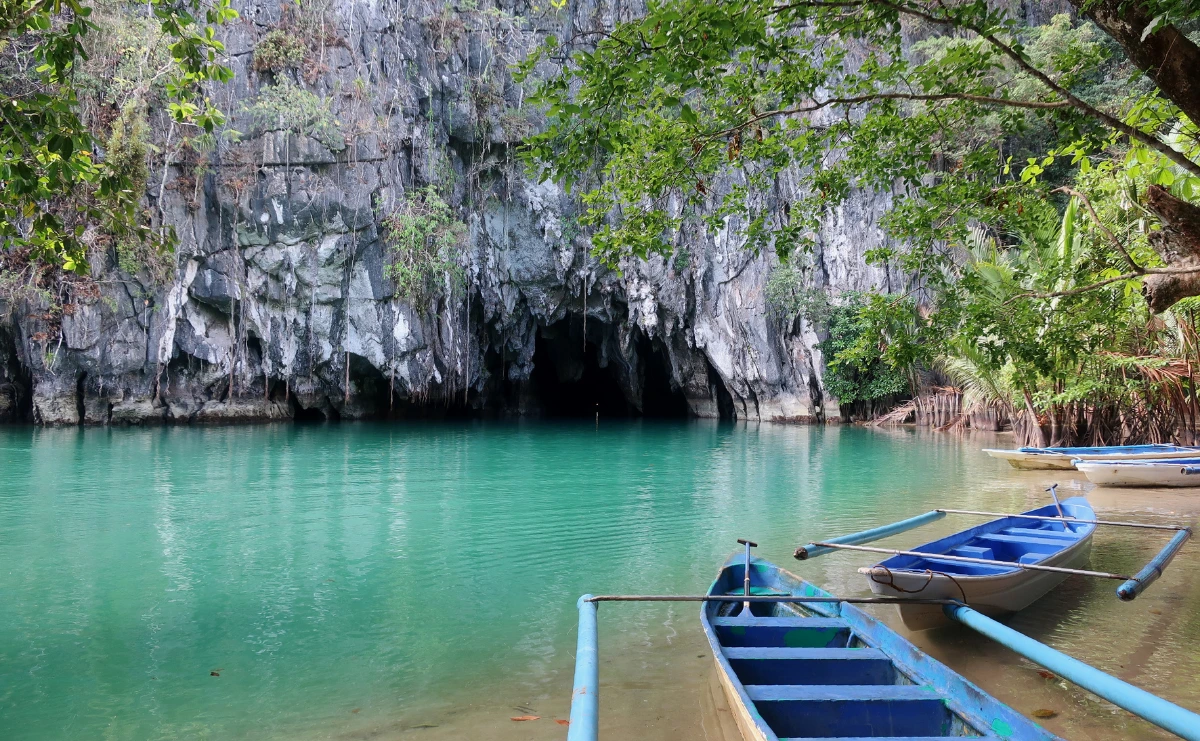
Some travelers described an Underground River tour as underwhelming compared to the long, expensive journey needed to reach it. For a 30 to 45-minute boat ride, travelers lost entire days and paid high prices. Watching a documentary or video online might honestly give you 80% of the experience without the hassle.
17. Poor Value for Money
When you factor in waiting times, hidden fees, low time spent at the main attraction, and high transportation costs, some destinations are simply poor value. Think carefully before committing your limited vacation days.
Practical Tips for a Smooth Trip
18. Book Morning Tours
Morning departures mean calmer weather, fewer crowds, faster transportation, and fewer delays later in the day. Early birds have a much smoother experience overall.
19. Choose Smaller Groups
Small groups move faster through check-ins, transportation, and activities. Large groups increase the risk of delays, missed departures, and more upselling stops.
20. Always Have a Plan B
Bring extra cash for taxis or tricycles if you need to exit a disastrous tour. Save the phone number of your hotel or a trusted local contact. Use apps for ride-hailing if available in the area. Having a backup plan can turn a bad day into a saved adventure.
Final Thoughts
Your vacation time is precious. You deserve tours that leave you thrilled, not frustrated, stressed, or injured. By staying informed, asking the right questions, and trusting your instincts, you can avoid the common traps and create unforgettable travel memories for all the right reasons.
Sleep Smart: 5 Hotel Booking Tips Every Traveler Should Know
When you’re planning a getaway whether it’s a weekend escape or a big bucket-list trip picking the right hotel can make or break the experience. At Travis Travel and Tours, we believe your hotel should be more than just a place to drop your bags. It should be your home base for relaxation, recharging, and yes… actual sleep!
So here are 5 essential tips to help you avoid noisy nights and book the rest you deserve:
1. Sleep Quality First - A Beautiful Room Isn’t Enough
Before booking, ask: Will I be able to sleep here?
Look for these keywords in hotel descriptions:
Soundproofing or quiet rooms
Blackout curtains
Comfortable, quality bedding
Medium-firm or memory foam mattresses
Hotels that mention being “in the heart of the action” might also mean next to traffic, bars, or noise. When in doubt, ask us we’ve been there.
2. Zoom Out Check the Hotel’s Real Location
Photos can be deceiving. Use Google Street View to check what’s around the hotel. Is it across from a bus station or an open-air billiard hall that plays music ‘til 2 AM?
We’re happy to guide you to quiet-but-convenient spots that balance comfort and access.
3. Don’t Assume Double-Check Room Amenities
Every traveler’s needs are different. Whether you’re storing medication, working remotely, or just want your late-night snacks chilled, confirm the essentials:
Is there a mini fridge?
A desk or workspace?
A real TV selection or just 3 fuzzy channels?
These small details matter when you’re far from home.
4. Clean Comforts Matter Ask About Linens
It might surprise you, but not all hotels wash comforters between guests. (Yes, really.) We recommend choosing properties that use duvet covers or provide fresh bedding for every stay. You deserve peace of mind and a clean blanket.
5. Smooth Checkouts = Less Stress
Some hotels do room inventory checks before letting guests leave. While it’s not the norm, it can happen. Choose hotels with efficient, trust-based checkout policies to avoid delays especially if you have a flight or tour coming up.
Final Thought: Sleep Isn’t a Luxury It’s a Travel Essential
From Dumaguete to Siquijor to South Cebu, we’ve seen it all and we know where you’ll sleep best. When you book with Travis Travel and Tours, we’ll help you pick accommodations that deliver more than just a room they deliver real rest.
Ready to plan your trip? Message us and we’ll pair your itinerary with hotels that help you wake up refreshed and ready to explore.
Why Tourists Should Hire a Tour Guide Lessons from the Lost Hikers of Dumaguete
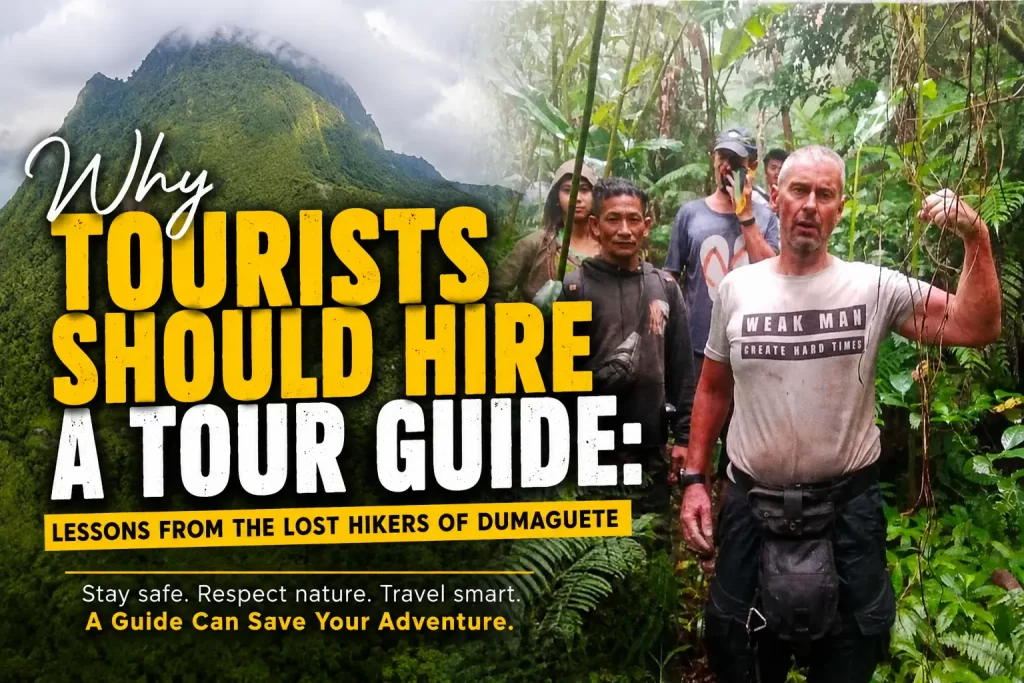
In March 2025, a gripping story unfolded in the lush, rugged landscapes of Negros Oriental, near the charming city of Dumaguete in the Philippines. Six foreign hikers comprising German, British, Russian, and Canadian nationals—set out for what they thought would be a straightforward four-hour trek up Mt. Talinis. What began as an adventure quickly turned into a harrowing ordeal when they vanished amid a sudden downpour, leaving rescue teams scrambling and the local community on edge. This incident, which saw two hikers rescued on March 21 and the remaining four on March 22, serves as a stark reminder of why hiring a tour guide isn’t just a luxury—it’s a necessity for travelers venturing into unfamiliar terrain.
The Tale of the Lost Hikers
The group embarked on their hike from Valencia, Negros Oriental, on March 19, aiming to explore the scenic trails leading to the Balinsasayao Twin Lakes Natural Park. Armed with enthusiasm but lacking local knowledge, they underestimated the mountain’s challenges. Heavy rain struck, reducing visibility and turning trails into slippery traps. By Wednesday evening, they hadn’t returned, prompting a full-scale search-and-rescue operation involving the Philippine Army, local volunteers, and emergency responders. Two were found exhausted but alive on Friday in a forested area of Valencia, while the other four were located the next day near a hydropower plant in Amlan, thanks to GPS data and sheer determination from the rescue teams.
This wasn’t a case of reckless abandon—the hikers were experienced, ranging in age from 38 to 67, and likely had some trekking know-how. Yet, the unpredictable weather, vast expanse of Mt. Talinis, and their separation into two groups highlight how even seasoned adventurers can falter without proper guidance.
The Case for a Tour Guide
So, why should tourists hire a tour guide? The Dumaguete incident offers compelling answers:
1. Local Expertise Saves Lives
A guide familiar with Mt. Talinis would have known the weather patterns—March can bring sudden rains to the Philippines—and might have advised delaying the trek or choosing a safer route. Here’s your sentence rephrased with more transition words for smoother flow:
They’d also know the trails like the back of their hand, so they could easily prevent the group from getting lost or, furthermore, splitting up in disorienting conditions.
2. Safety in Unpredictable Situations
Nature doesn’t follow a tourist’s schedule. The heavy downpour that hit the hikers underscores how quickly conditions can change. A guide can read the signs—darkening skies, rising winds—and make real-time decisions to keep you out of harm’s way, something a map or app can’t replicate.
3. Navigating the Unknown
The hikers’ separation into two groups likely stemmed from confusion over the trail. Mt. Talinis spans multiple towns, with dense vegetation and few clear markers. A guide provides a human GPS, ensuring you stay on track and avoid wandering into remote areas like Silab, where the last four were found.
4. Cultural and Practical Insights
Beyond safety, guides enrich the experience. In Dumaguete, known as the “City of Gentle People,” a local could share stories about the region’s history, point out hidden gems, or even connect you with residents who aided in the rescue efforts. They also handle logistics—permits, transport, emergency contacts—leaving you free to soak in the adventure.
5. A Buffer Against Overconfidence
The hikers’ diverse nationalities suggest a mix of skills, yet overconfidence in their abilities led them astray. A guide acts as a reality check, tempering enthusiasm with caution and ensuring bravado doesn’t trump preparation.
Beyond Dumaguete: A Universal Lesson
This story isn’t unique to Negros Oriental.
Here’s a version with more transition words:
Whether you’re scaling mountains in Peru, diving reefs in Australia, or exploring jungles in Thailand, it’s important to recognize that unfamiliar environments inherently carry risks that outsiders often can’t fully anticipate. Similarly, Dumaguete itself serves as a gateway to stunning sites like Apo Island and Casaroro Falls, yet its laid-back vibe can easily lull tourists into a false sense of security.” The province’s tourism board has been pushing to attract more visitors—targeting 500,000 in 2024—yet incidents like this remind us that exploration demands respect and preparation.
Hiring a tour guide doesn’t mean surrendering your sense of adventure. It’s about enhancing it with someone who knows the lay of the land. Here’s a version with more transition words:
Sure! Here’s a version with even more transition words:
In the hikers’ case, for example, a guide could have easily transformed what could have been a near-disaster into a memorable tale of triumph over Mt. Talinis, ultimately preventing it from becoming a frantic rescue mission.
Final Thoughts
As of March 26, 2025, all six hikers are safe, a testament to the dedication of Negros Oriental’s rescue teams. However, their ordeal didn’t have to happen. For tourists planning to explore Dumaguete’s natural wonders—or any destination, for that matter—hiring a tour guide is not just a convenience; it’s, in fact, a lifeline.
It’s the difference between a story you tell with pride and one you barely survive to tell.
Here’s a version with more transition words:
“Therefore, the next time you lace up your boots or pack your gear, consider this: wouldn’t it be more rewarding to have a local by your side, transforming the unknown into an adventure that’s truly worth taking?”
Want to book a tour guide? Just contact us at orientcoast.com
Step-by-Step Guide to Reaching Dumaguete & Siquijor
Planning a trip to Dumaguete?
This guide simplifies your journey with detailed transportation options, costs, and essential tips for a smooth experience. Whether you’re flying or taking a ferry, you’ll find everything you need to reach Dumaguete’s stunning coastline effortlessly.
Easy Transfers to Dumaguete: Your Guide for a Smooth Journey
Dumaguete Airport is the nearest airport to Dumaguete City, providing convenient access and special services for senior citizens.
Travelers can choose between tricycles or vans from Dumaguete Airport to their accommodations. Each option has varying costs and benefits, such as local guide accompaniment.
Pre-booking transfer services with providers like Travis Travel & Tours can enhance your travel experience by handling fees and logistics, allowing for a hassle-free journey directly to your hotel.
Dumaguete Airport: Your Gateway to the City
Welcome to Dumaguete Airport, also known as Sibulan Airport, your main entry point to the tropical paradise of Dumaguete City! This airport is ideally located close to the city, minimizing travel time and maximizing your enjoyment of the beautiful beaches and attractions.
Once you land, your adventure begins! The airport is equipped to meet the needs of all travelers, including senior citizens, with services to help you bypass long lines and escort assistance.
How to Get From Dumaguete to Siquijor Island
Eager to soak up the sun in Siquijor? Flying directly to Dumaguete is the quickest route. While flights can be pricier due to limited schedules, many find the convenience and shorter travel time worth the cost.
Once at Dumaguete Airport, you’re just a short 7 to 10-minute ride to the Dumaguete seaport, where your journey to Siquijor begins. No matter your starting point, both routes lead to unforgettable experiences in Dumaguete and Siquijor.
Pre-Booking Dumaguete Transfer Services: Convenience and Peace of Mind
Traveling can be exhilarating but also stressful. Pre-booking transfer services can eliminate hassle by providing direct transport to your hotel, making the journey simpler.
Recommended Transfer Service Providers
Choose trusted providers for your transfers. Agencies like Travis Travel and Tours offer various packages to suit different needs and budgets, handling all terminal and environmental fees for your convenience.
Dumaguete Transfer Options
Let’s look at how to travel from Dumaguete Airport to Dumaguete City using reliable transport providers. They offer various options to take you straight to your hotel. Be sure to book a round trip for added convenience.
Standard Dumaguete Transfer via Tricycle A shared tricycle ride is a budget-friendly option that includes all fees, ensuring a smooth journey from the airport to your hotel.
Air-Conditioned Van or Car Transfer For a more private experience, opt for an air-conditioned vehicle. This premium service includes all necessary fees, providing a comfortable and direct ride to your hotel.
The Ferry from Dumaguete Port to Siquijor Island
When traveling to Siquijor, you have several ferry options:
RoRo (Roll-on/Roll-off) ferries by Montenegro and Allison
Anika Fast Ferry
OceanJet Fast Ferry
Expert Tips for a Smooth Dumaguete Transfer
To ensure a seamless trip from Dumaguete Airport to the city, consider these tips:
Plan Ahead: Make arrangements in advance and check weather forecasts.
Dress Comfortably: Choose suitable clothing for the climate.
Transport Choices: Select the right option for your group size and needs.
Secure Finances: Keep cash hidden and use a secondary wallet for daily expenses.
Allow Extra Time: Plan to arrive at the airport at least 2-3 hours before your flight.
Special Considerations: Traveling with Children, Seniors, and Groups
If you’re traveling with children or seniors, here are some helpful tips:
For Seniors: Request a fit-to-travel certification and choose appropriate transfer options.
Stay Hydrated: Carry bottled water to ensure good hydration.
Pack Light: Familiarize yourself with hotel emergency exits and consider local laundry services.
Top Activities and Attractions in Dumaguete
Apo Island
Manjuyod Sandbar and Dolphin Watching
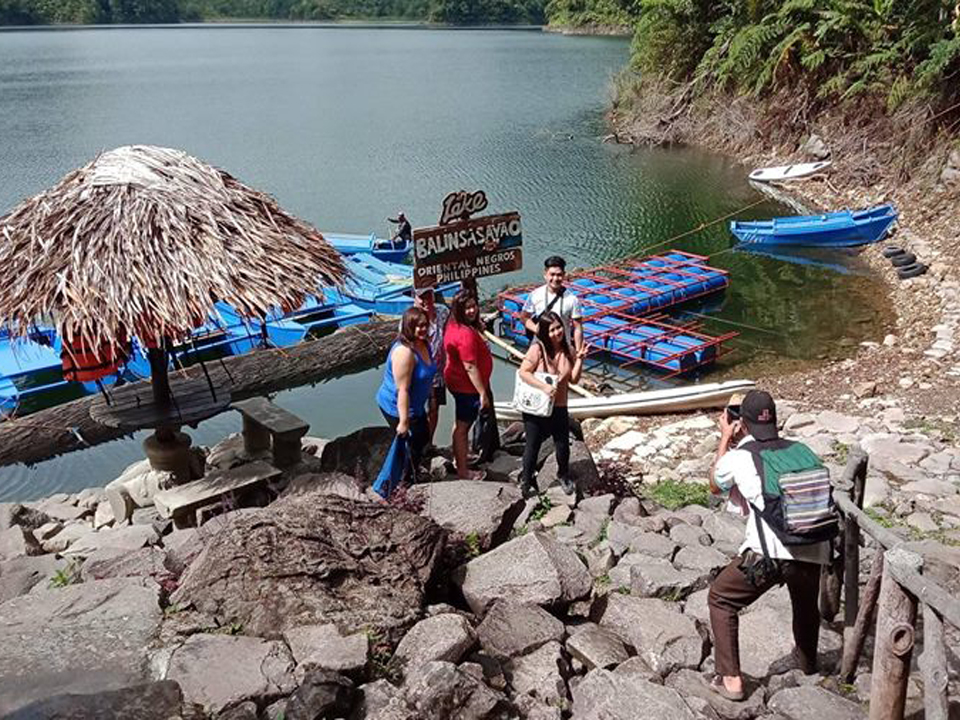
Balinsasayao Twin Lakes Nature Park
Dumaguete Countryside Tour (Pulangbato Falls, Redrock Hotsprings)
Oslob Whale Watching
Moalboal Sardine Run
Kawasan Canyoneering
Sumilon Sandbar
Travel Wrap-Up
Your comprehensive guide to a smooth journey to Dumaguete and Siquijor is here! With careful planning, navigating your way can be effortless. Choosing Dumaguete Airport ensures a quick arrival, though at a higher cost, while the ferry offers a moment of tranquility.
Book your flights early, pack your essentials, and prepare for an experience filled with relaxation and adventure!
Restoring Balance: The Importance of Bringing Back the Deer to Balinsasayao Twin Lakes
The enchanting beauty of Balinsasayao Twin Lakes, nestled in the heart of Negros Oriental, is not just about its picturesque landscapes and vibrant biodiversity. Once home to the iconic Visayan spotted deer, the area has experienced a significant ecological shift since these remarkable creatures disappeared. Here’s why their return is not just beneficial but essential for the ecosystem and local communities.
Ecological Balance
Deer play a crucial role in maintaining the balance of their ecosystems. As herbivores, they help regulate plant growth, ensuring that no single species dominates the landscape. Their grazing habits can prevent overgrowth of certain plants, allowing diverse flora to flourish and creating a more dynamic habitat for various wildlife. Additionally, the presence of deer contributes to nutrient cycling. Their foraging stimulates plant regrowth, and their droppings enrich the soil, fostering healthy plant communities. This not only supports other species but also strengthens the resilience of the ecosystem against climate changes. Moreover, deer serve as prey for natural predators, creating a balanced food web. Their return could help reestablish natural predator-prey dynamics, promoting biodiversity at multiple trophic levels. Finally, healthy deer populations can contribute to the tourism appeal of the region, as visitors seek to witness these magnificent creatures in their natural habitat. By reintroducing the Visayan spotted deer, we can restore ecological balance to Balinsasayao Twin Lakes, enhancing the overall health of this unique habitat while benefiting the entire ecosystem.
Cultural Significance
The Visayan spotted deer is not just a species; it holds deep cultural significance for local communities. Historically, these deer have been woven into the fabric of local folklore, symbolizing grace, beauty, and the connection between nature and humanity. Their presence in stories and traditions highlights the region’s rich biodiversity and serves as a reminder of the importance of conservation. Returning the deer can revitalize cultural practices, allowing communities to engage in storytelling, art, and festivals centered around these animals. Such events can strengthen community identity and pride, fostering a sense of stewardship over their natural heritage.
Moreover, involving local schools in educational programs about the deer can create awareness among younger generations, instilling values of conservation and respect for wildlife. Workshops and activities can include art projects, storytelling sessions, and guided nature walks, deepening their connection to the land. Furthermore, the reintroduction of the deer could encourage traditional practices like sustainable hunting and wildlife observation, fostering a balanced relationship with nature. This synergy between culture and conservation can lead to a more sustainable future, where local customs thrive alongside ecological health, making the return of the Visayan spotted deer a profound cultural and environmental milestone for the community.
Tourism and Economic Benefits
Reintroducing the Visayan spotted deer could be a transformative opportunity for eco-tourism in the Balinsasayao Twin Lakes region. Here are several ways this initiative can bolster tourism and stimulate the local economy:
Increased Visitor Attraction
The unique opportunity to see the Visayan spotted deer in their natural habitat would draw wildlife enthusiasts, photographers, and nature lovers from around the world. Establishing viewing points and guided tours focused on these deer can enhance the visitor experience, promoting longer stays and repeat visits.
Development of Eco-Tourism Infrastructure
To accommodate the influx of tourists, investments in eco-friendly accommodations, such as lodges and campsites, can be made. Local businesses can flourish by providing services like guided tours, transportation, and educational workshops, thereby creating jobs and generating income for residents.
Promotion of Local Products and Crafts
With increased tourist traffic, local artisans can market traditional crafts and products, showcasing the region’s cultural heritage. Markets and shops can sell handmade goods, promoting sustainable practices and helping preserve local traditions while offering tourists unique souvenirs.
Community Involvement in Tourism
By engaging local communities in tourism initiatives, residents can benefit directly from the economic advantages. Training programs can equip locals with skills in hospitality, guiding, and environmental education, fostering a sense of ownership and pride in conservation efforts.
Sustainable Practices
Eco-tourism centered around the Visayan spotted deer can promote sustainable practices that protect the environment while providing economic benefits. By emphasizing conservation and responsible tourism, the region can become a model for balancing ecological integrity with economic development.
Long-Term Economic Stability
As the eco-tourism sector grows, it can provide long-term economic stability for local communities. Seasonal fluctuations in tourism can be mitigated by diversifying attractions, such as birdwatching, hiking trails, and educational programs about the area’s unique biodiversity, ensuring year-round visitor engagement.
Investment in Conservation Initiatives
Finally, a thriving tourism industry can lead to increased funding for conservation projects. Entrance fees and donations from visitors can be funneled back into habitat restoration and wildlife protection efforts, creating a positive feedback loop that benefits both the environment and the economy. In summary, the return of the Visayan spotted deer can serve as a catalyst for eco-tourism, enriching the local economy and providing sustainable livelihoods while fostering a deeper appreciation for the region’s natural heritage. This initiative can create a vibrant community centered on conservation and responsible tourism, making Balinsasayao Twin Lakes a shining example of how nature and economy can coexist harmoniously.
Conservation Awareness
The return of the Visayan spotted deer would serve as a powerful catalyst for conservation awareness in the Balinsasayao Twin Lakes region. Here are several ways this initiative can elevate environmental consciousness:
Symbol of Conservation Success
Reintroducing a locally significant species like the Visayan spotted deer can become a symbol of successful conservation efforts. It showcases the importance of protecting biodiversity and can inspire similar initiatives for other endangered species. This tangible success story can capture public interest and motivate community involvement.
Educational Campaigns
Targeted educational campaigns can be launched to inform the community about the ecological role of the deer and the importance of biodiversity. Workshops, seminars, and school programs can foster understanding and respect for wildlife, encouraging local residents to become advocates for conservation.
Community Engagement and Volunteer Opportunities
Involving the community in the reintroduction process can cultivate a sense of ownership over local wildlife. Volunteer opportunities, such as habitat restoration, monitoring deer populations, and participating in educational outreach, can empower residents to actively contribute to conservation efforts.
Collaborations with NGOs and Educational Institutions
Partnerships with non-governmental organizations and educational institutions can amplify conservation messages. These collaborations can provide resources, expertise, and platforms for community members to engage in research and awareness programs, further enriching local knowledge and skills.
Wildlife Observation Programs
Establishing wildlife observation programs can enhance awareness about the interconnectedness of ecosystems. Guided tours that focus on the deer and their habitat can educate visitors and locals alike about the delicate balance of nature, fostering a greater appreciation for conservation.
Cultural Events and Festivals
Organizing cultural events and festivals centered around the deer can promote conservation while celebrating local traditions. These events can include educational exhibits, art displays, and storytelling sessions, drawing attention to the importance of wildlife preservation and engaging a broader audience.
Social Media and Community Outreach
Utilizing social media platforms can help spread conservation messages far beyond the local community. Sharing stories, photos, and updates about the deer’s reintroduction can engage a wider audience, raising awareness and encouraging support for ongoing conservation efforts.
Long-Term Stewardship Initiatives
As awareness grows, the community can be encouraged to adopt long-term stewardship practices. Initiatives like sustainable land use, waste management, and protection of local habitats can emerge, creating a culture of environmental responsibility that benefits both people and wildlife.
In conclusion, the return of the Visayan spotted deer can significantly enhance conservation awareness, fostering a culture of stewardship and environmental responsibility in the Balinsasayao Twin Lakes region. By engaging the community through education, involvement, and celebration, this initiative can lead to lasting positive changes for both wildlife and local residents.
Research and Education Opportunities
The reintroduction of the Visayan spotted deer to Balinsasayao Twin Lakes would open up a wealth of research and education opportunities, enhancing our understanding of biodiversity and conservation practices. Here are several key aspects to consider:
Scientific Research Initiatives
Bringing back the Visayan spotted deer provides a unique chance for scientists and researchers to study their behavior, ecology, and interactions within the ecosystem. Research projects could focus on population dynamics, habitat use, and the deer’s role in maintaining ecological balance. This knowledge can inform conservation strategies, not only for the deer but for other endangered species as well.
Biodiversity Studies
The presence of the Visayan spotted deer can serve as an indicator species, helping researchers assess the health of the ecosystem. By monitoring the deer and their habitat, scientists can gain insights into the overall biodiversity of the region, contributing to more effective conservation planning and management practices.
Educational Programs for Schools
Integrating the study of the Visayan spotted deer into local school curricula can foster a sense of environmental stewardship among students. Programs can include hands-on activities like field studies, wildlife tracking, and habitat restoration projects, encouraging a deeper connection to nature and an understanding of ecological principles.
Public Workshops and Seminars
Organizing workshops and seminars for the community can enhance awareness about wildlife conservation and the importance of preserving local ecosystems. Experts can share their findings and engage locals in discussions about sustainable practices, biodiversity, and the significance of the Visayan spotted deer in the region.
Citizen Science Programs
Encouraging local residents to participate in citizen science initiatives can foster community involvement in research. Residents can help with data collection on deer sightings, habitat conditions, and biodiversity assessments. This participation not only empowers the community but also enriches scientific data collection efforts.
Collaborations with Universities and Research Institutions
Partnering with universities and research institutions can bring additional resources and expertise to the reintroduction efforts. These collaborations can facilitate advanced studies, provide training for locals in wildlife management, and create internship opportunities for students interested in conservation careers.
Wildlife Education Centers
Establishing a wildlife education center at Balinsasayao Twin Lakes can serve as a hub for learning about the Visayan spotted deer and other local species. This center can host exhibits, offer guided tours, and provide educational materials for visitors, making it a valuable resource for both tourists and residents.
Digital and Online Resources
Creating digital resources, such as interactive websites and mobile apps, can enhance public engagement with wildlife conservation. These platforms can provide information about the deer, updates on conservation efforts, and educational games or activities for children, broadening the reach of conservation messages.
Long-Term Monitoring Programs
Implementing long-term monitoring programs can ensure the health and stability of the reintroduced deer population. These programs can involve ongoing research to assess the impacts of environmental changes and human activities on the deer and their habitat, providing crucial data for adaptive management strategies.
In summary, the reintroduction of the Visayan spotted deer offers a plethora of research and education opportunities that can deepen our understanding of wildlife conservation and foster a culture of environmental stewardship. By engaging the community, schools, and scientific institutions, this initiative can create a robust framework for ongoing education and research that benefits both the deer and the broader ecosystem of Balinsasayao Twin Lakes.
Local Government’s Role
The local government plays a pivotal role in the successful reintroduction of the Visayan spotted deer to Balinsasayao Twin Lakes. Their involvement can ensure that conservation efforts are well-coordinated, adequately funded, and effectively implemented. Here are several key ways the government can enhance this initiative:
Policy Development and Legislation
The local government can create and enforce policies that protect the Visayan spotted deer and their habitat. This includes implementing protective legislation that prohibits hunting and habitat destruction, as well as establishing wildlife reserves or protected areas that safeguard critical ecosystems.
Funding and Resource Allocation
Allocating financial resources for the reintroduction project is essential. The government can secure funding through grants, partnerships with NGOs, and even tourism revenue. These funds can be directed toward habitat restoration, monitoring efforts, and educational programs that support community involvement.
Partnerships with NGOs and Conservation Organizations
Collaborating with non-governmental organizations and conservation groups can amplify efforts to reintroduce the deer. These partnerships can provide technical expertise, funding, and volunteer support, creating a collaborative framework that enhances the project’s chances of success.
Community Engagement and Empowerment
The government can facilitate community engagement by organizing public consultations and workshops. Involving local residents in the decision-making process fosters a sense of ownership and responsibility for the project, making them active participants in conservation efforts.
Education and Awareness Campaigns
Launching education and awareness campaigns about the significance of the Visayan spotted deer and broader conservation issues can empower the community. The government can provide resources for schools, conduct public outreach events, and leverage social media platforms to disseminate information, building a culture of environmental stewardship.
Training and Capacity Building
Investing in training programs for local residents in wildlife management, eco-tourism, and conservation practices can create job opportunities and enhance community skills. This capacity building not only supports the reintroduction efforts but also promotes sustainable livelihoods tied to conservation.
Monitoring and Research Support
The local government can establish and support monitoring programs to track the deer population and assess the health of their habitat. By partnering with research institutions, they can ensure that data collection is systematic and informs adaptive management strategies for ongoing conservation efforts.
Infrastructure Development
Improving infrastructure around Balinsasayao Twin Lakes, such as roads, signage, and visitor centers, can facilitate eco-tourism while ensuring the protection of wildlife habitats. The government can prioritize sustainable development practices that minimize ecological impact and enhance visitor experience.
Long-Term Conservation Planning
The government should take a proactive approach to long-term conservation planning, creating a comprehensive strategy that addresses not only the reintroduction of the deer but also the conservation of the entire ecosystem. This plan can include sustainable land use, habitat preservation, and community resilience initiatives to adapt to environmental changes.
Evaluation and Accountability
Establishing a framework for evaluating the success of reintroduction efforts and ensuring accountability is crucial. The government can set measurable goals and benchmarks, regularly assessing progress and making necessary adjustments based on findings. This transparency fosters public trust and encourages continued support for conservation initiatives. In summary, the local government’s active involvement is vital for the successful reintroduction of the Visayan spotted deer. By developing supportive policies, engaging the community, fostering partnerships, and ensuring sustainable practices, the government can lead efforts that not only benefit the deer but also enhance the ecological and economic well-being of the entire Balinsasayao Twin Lakes region. Through these initiatives, a brighter future can be forged for both wildlife and local communities.
Learning from Japan’s Deer Parks
The successful management and conservation strategies of deer parks in Japan offer valuable lessons that could be adapted for the Visayan spotted deer in Balinsasayao Twin Lakes. Here’s how emulating these practices can benefit local conservation efforts:
Integrated Conservation and Tourism Models
Japanese deer parks, such as Nara Park, effectively blend conservation with tourism, allowing visitors to experience wildlife in a natural setting while ensuring the animals’ protection. By adopting a similar model, Balinsasayao Twin Lakes can create designated areas where the Visayan spotted deer can thrive, attracting eco-tourism while promoting conservation.
Community Involvement and Stewardship
In Japan, local communities play an integral role in managing deer parks, fostering a sense of stewardship. Engaging residents in the care and monitoring of the deer can cultivate pride and responsibility, encouraging sustainable practices and a commitment to conservation efforts.
Educational Programs and Awareness Campaigns
Japanese parks emphasize education, providing information on the ecology, behavior, and significance of deer. Developing educational programs and interpretive signage in Balinsasayao Twin Lakes can raise awareness about the Visayan spotted deer, its role in the ecosystem, and the importance of conservation. Schools and community groups can participate in these initiatives, enhancing local understanding of wildlife preservation.
Sustainable Management Practices
The management of deer in Japan involves sustainable feeding practices and habitat maintenance. Implementing similar strategies in Balinsasayao Twin Lakes can ensure that the deer have a healthy diet and habitat, minimizing human-wildlife conflicts. This approach can also involve restoring natural vegetation and ensuring the ecosystem remains balanced.
Cultural and Historical Context
Japan’s deer parks celebrate the cultural and historical significance of deer, integrating them into local traditions and festivals. By promoting the cultural heritage associated with the Visayan spotted deer, local festivals can draw visitors and create a narrative that enhances community identity while fostering respect for wildlife.
Monitoring and Research Collaboration
Japanese parks often collaborate with universities and research institutions to monitor deer populations and study their behavior. Establishing similar partnerships in Balinsasayao Twin Lakes can facilitate ongoing research, providing valuable data that informs conservation strategies and enhances community engagement in scientific initiatives.
Infrastructure for Visitors
Developing infrastructure such as walking paths, viewing areas, and educational centers can enhance the visitor experience while minimizing ecological impact. Lessons from Japan’s well-designed parks can guide the creation of facilities that promote responsible tourism, ensuring that visitors enjoy the beauty of the area without disrupting the habitat.
Addressing Human-Wildlife Interactions
Japanese parks employ strategies to manage human-deer interactions, ensuring safety for both animals and visitors. Implementing guidelines and educational materials on how to interact with wildlife responsibly can help mitigate potential conflicts, promoting a harmonious coexistence between people and the Visayan spotted deer.
Sustainability and Long-Term Planning
Japanese deer parks emphasize sustainability and long-term ecological planning. Balinsasayao Twin Lakes can adopt similar frameworks that prioritize habitat preservation, biodiversity, and adaptive management strategies. This long-term vision will be essential in ensuring the health of the ecosystem and the success of the deer reintroduction. In conclusion, emulating the successful deer park models of Japan can provide a comprehensive framework for the reintroduction of the Visayan spotted deer in Balinsasayao Twin Lakes. By integrating conservation with community engagement, education, and sustainable tourism practices, the region can foster a thriving environment for both wildlife and local residents, creating a vibrant ecosystem that benefits everyone involved.
Welcome to the ultimate guide to the Buglasan Festival—the crown jewel of Negros Oriental’s cultural calendar! Dive into our vibrant and detailed blog where we unravel every exciting facet of this spectacular celebration. From its historical roots to the electrifying events that light up October, our blog is packed with everything you need to know about this one-of-a-kind festival. Get ready to immerse yourself in the heart of Negros Oriental’s grandest festivity and discover why Buglasan is a must-experience event!
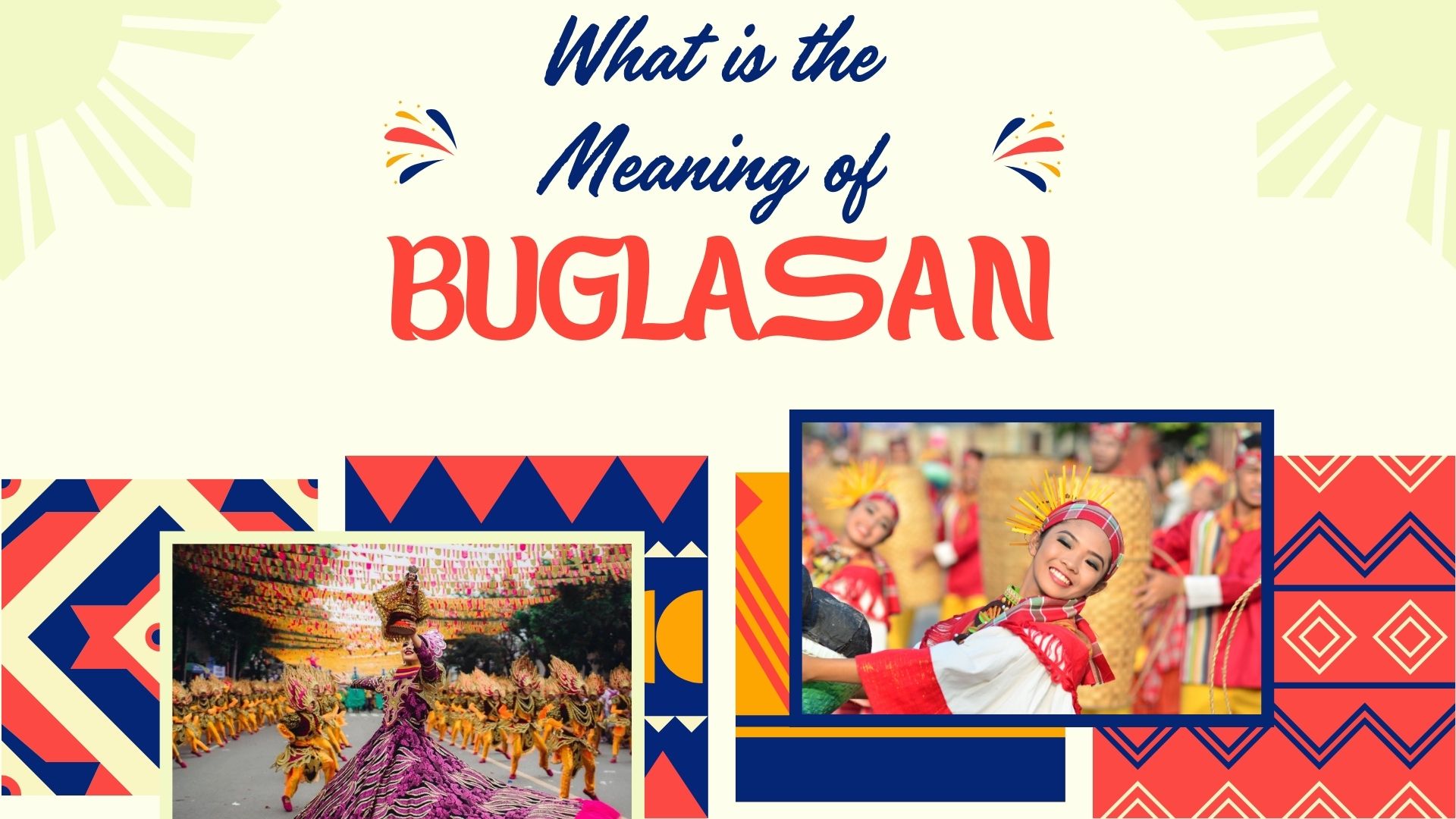
What is the Meaning of Buglasan?
Buglasan derives its name from the word “Buglas,” an ancient term referring to the island now known as Negros, specifically Negros Oriental, in the Philippines. The term “Buglas” is believed to be coined by the island’s early inhabitants and refers to a type of tall, thick grass that once grew abundantly in the area. However, the meaning of Buglasan goes beyond its etymological roots, encapsulating a rich cultural and historical significance deeply embedded in the identity of the Negros Oriental region.
Etymology and Historical Context
The term “Buglas” was documented as early as the 16th century, when Diego Lopez de Povedano, a Spanish cartographer, created a map of the island in 1572. He referred to the land as “Buglas Insulis”, highlighting its notable flora. The word “Buglas” itself is derived from the Cebuano or Hiligaynon language, meaning “to cut off” or “severed.” Some historians believe this could reference the idea that Negros Island was once connected to a larger landmass, and rising sea levels eventually cut it off, making it an isolated island. Although “Buglas” refers to the reed-like grass, its metaphorical significance is crucial. The festival that takes its name from this word—Buglasan—represents the unification and coming together of various communities across Negros Oriental, showcasing the idea that despite being “cut off,” the people maintain strong cultural bonds and unity.
Cultural Significance of Buglasan
Buglasan Festival, also known as the “Festival of Festivals,” was first celebrated in 1981 and serves as a grand, province-wide showcase of the different traditions, cultures, and local festivals from various municipalities and cities in Negros Oriental. The idea behind Buglasan is to unite the diverse communities of the province through a shared celebration of heritage. Each municipality brings its own unique flavor to the event, symbolizing how different parts of Negros Oriental, though distinct, are deeply interconnected. The word “Buglasan” has thus evolved from its original reference to the grasslands into a broader symbol of cultural identity, unity, and pride for the people of Negros Oriental. The festival highlights the importance of preserving the local customs, history, and traditions that make the province unique while fostering a sense of belonging among its people.
The Festival’s Role in Defining the Meaning of Buglasan
The Buglasan Festival emphasizes inclusivity, cultural pride, and the celebration of both individual and collective identity. Towns and cities from all over Negros Oriental participate, and while each area showcases its unique local festivals and customs, Buglasan serves as an opportunity to transcend individual differences and highlight shared cultural heritage. This notion of unity in diversity is at the core of what Buglasan represents.
Key elements of the festival include:
• Cultural Exhibitions: Each town or city sets up booths and displays to showcase their local traditions, products, crafts, and history. This provides an opportunity to experience the rich variety of Negrense culture. • Competitions: Events like the Festival Showdown and the Street-Dancing Parade involve different municipalities competing in a display of cultural performance and creativity. • Music and Dance: Traditional music and dance, such as the Rondalla (stringed instrumental group) and Balak and Balitaw (Filipino poetry and folk singing), are performed, highlighting the province’s artistic heritage. • Search for the Festival King and Queen: Symbolizing the festival’s celebration of its people, the Buglasan King and Queen are chosen from among the participants.
Through these festivities, Buglasan expresses the communal spirit and cultural wealth of the province, giving new meaning to the ancient term.
Symbolism: From “Cut Off” to “Coming Together”
Although the term “Buglas” may historically have referred to something being cut off, the Buglasan Festival reinterprets this meaning in a modern context. Rather than separation, it symbolizes the coming together of communities. Each participating city and municipality brings its distinct cultural identity, but they join in celebration as one province, one family, and one people. Buglasan, in this sense, speaks to the ability of people to come together, transcending geographical and cultural divides, to celebrate what makes them unique and what binds them together. The festival is not just a celebration of traditions; it is a celebration of unity, resilience, and cultural continuity.
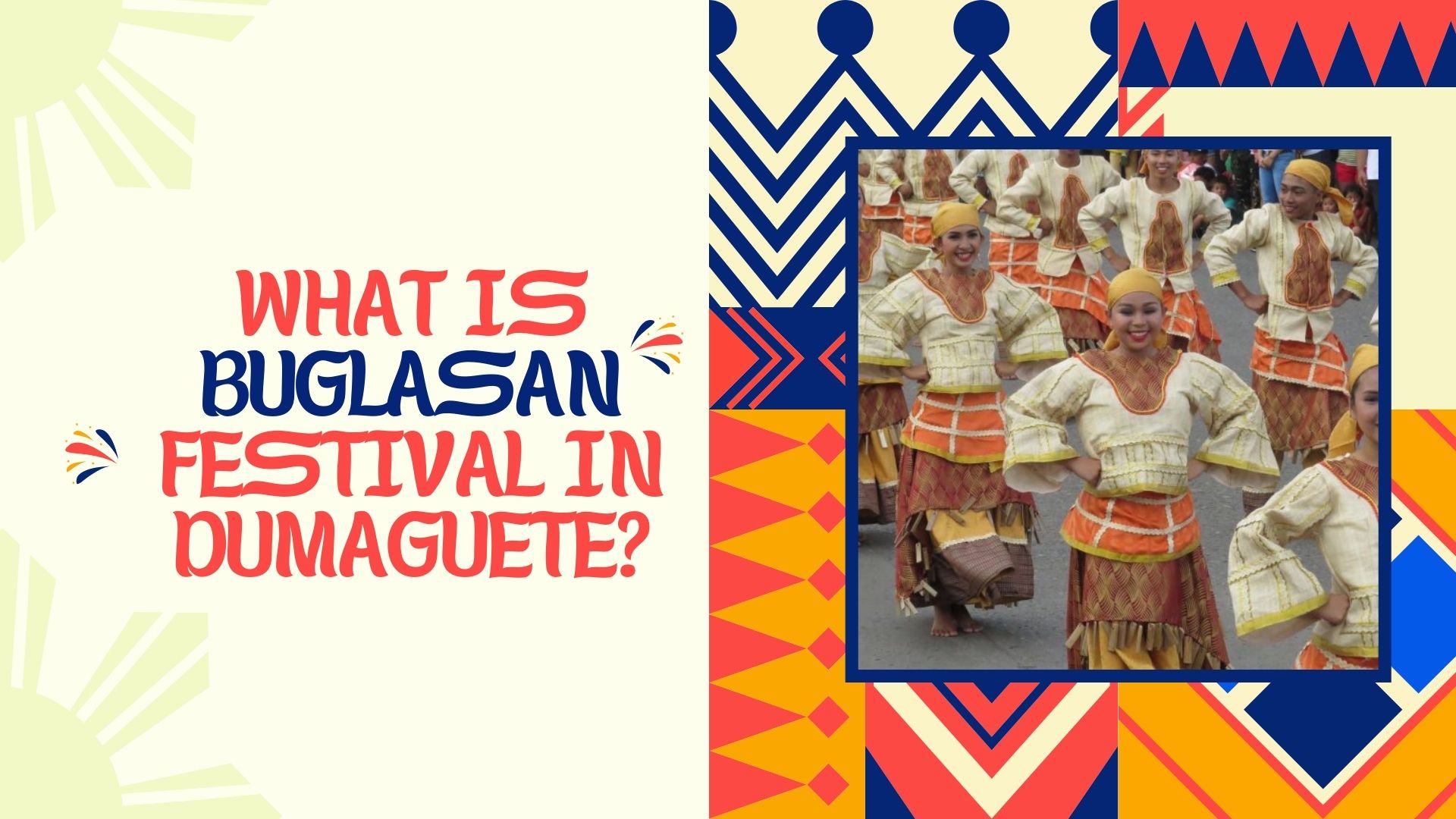
What is Buglasan Festival in Dumaguete?
Buglasan Festival, known as the “Festival of Festivals,” is one of the most anticipated annual celebrations in Dumaguete City, Negros Oriental, Philippines. This festival is a unique event where different municipalities and cities across the province come together to celebrate their local cultures, traditions, and achievements through a series of cultural presentations, competitions, and exhibitions. Held in October, it serves as a showcase of the diverse festivals from the various localities of Negros Oriental. Buglasan Festival stands out not only because of its scale and grandeur but also due to its historical and cultural importance. It symbolizes unity, camaraderie, and pride for the people of Negros Oriental while promoting the province as a cultural and tourist destination. Below is an extensive exploration of the festival’s origin, significance, activities, and role in the local and national cultural scene.
Historical Background of Buglasan Festival
Buglasan Festival traces its roots back to 1981, making it the first provincial-wide festival in the Philippines. It began as an initiative of the Negros Oriental provincial government to bring together the various municipalities and cities of the province to celebrate their unique festivals in one grand event. The name “Buglasan” comes from the word “Buglas,” the ancient name for Negros Island, which refers to the tall reed-like grass that once grew abundantly in the area. The word “Buglasan” itself implies the act of coming together—a fitting name for an event meant to unify the province. Initially, the festival was a modest gathering where towns showcased their unique cultural identities and participated in friendly competitions. Over the years, Buglasan has grown into a massive cultural extravaganza that draws tourists, locals, and government dignitaries from across the country.
Purpose and Significance
The main purpose of Buglasan Festival is to celebrate the rich cultural diversity of Negros Oriental. It provides a platform for each participating town or city to showcase its unique local festivals, arts, crafts, traditions, and food. This celebration highlights the unity among Negrenses despite their geographical, cultural, and historical differences. Buglasan also serves as a cultural preservation tool, ensuring that the traditions and folkways of the people are not lost amid modernization. Furthermore, Buglasan promotes tourism in Negros Oriental, positioning Dumaguete City as a hub of cultural and historical heritage. The festival contributes to the province’s economy by attracting tourists and generating local income through food fairs, souvenir sales, and various tourism-related activities.
Local Festivals within Buglasan
What makes Buglasan unique is that it brings together the best of the individual festivals from across Negros Oriental. Some of the key local festivals that are part of Buglasan include:
Sinulog sa Tanjay(Tanjay City) – A religious and cultural festival in honor of Señor Santo Niño.
Yagyag Festival (Bacong) – Celebrating the unique life cycle of the crabs that thrive in Bacong’s mangrove swamps.
Tawo-Tawo Festival (Bayawan City) – Celebrating the use of scarecrows in local farming and agriculture.
Inagta Festival (Siaton) – A tribute to the province’s indigenous peoples and their way of life.
Economic and Social Impact
The Buglasan Festival has a significant impact on the local economy and the social life of the Negrense people. It provides economic opportunities for local businesses, artisans, and farmers by increasing foot traffic and tourism to Dumaguete City. The trade fairs and food markets allow small-scale entrepreneurs to showcase their goods, contributing to the local economy. Socially, the festival strengthens the bonds within and between communities. It fosters a sense of pride and belonging among the people of Negros Oriental. It also serves as a venue for intergenerational learning, where older members of the community pass down their traditions to the younger generation.
Buglasan as a Tourist Attraction
For tourists, the Buglasan Festival offers a chance to experience the rich culture and traditions of Negros Oriental in one grand event. It provides an immersive cultural experience, with colorful street parades, traditional music and dance, and the opportunity to taste local delicacies and interact with Negrense people. Dumaguete City, known as the “City of Gentle People,” becomes a vibrant center of tourism during the festival, with visitors flocking to see the various performances, exhibits, and competitions. The festival has helped position Negros Oriental as a key cultural and tourist destination in the Philippines.
History of Buglasan Festival
The Origins of Buglasan Festival
The Buglasan Festival has its roots in the early 1980s, when the local government of Negros Oriental sought to create a cultural event that would unite the province’s towns and cities under one celebration. It was conceptualized during the administration of then-Governor Herminio G. Teves in 1981 as a way to celebrate and promote the diverse cultures and traditions within the province. The provincial government aimed to encourage each municipality to participate by showcasing their local festivals and talents. The festival’s name is derived from “Buglas,” the ancient name of Negros Island, which refers to the tall, thick grasses that were abundant in the region during pre-colonial times. The word “Buglas” is said to mean “to cut off” or “severed,” possibly alluding to the island being cut off from a larger landmass due to rising sea levels. Despite this origin of isolation, the Buglasan Festival, in contrast, represents unity—a celebration of the different municipalities coming together as one. The inaugural Buglasan Festival was relatively modest compared to its current scale, but it laid the foundation for an annual tradition. The first few years were about building momentum, fostering local pride, and encouraging communities to participate in a collective celebration of culture.
The Evolution of Buglasan Festival
The early years of the Buglasan Festival were centered on the “Festival Showdown”, where different municipalities presented their local festivals through music, dance, and cultural performances. Over time, the festival expanded to include more events and competitions that celebrated not only the performing arts but also the unique products, crafts, and traditions of each participating town. The early 1990s saw the festival becoming a full-fledged province-wide event, with more towns and cities getting involved, each trying to outdo the other in terms of creativity and presentation. During this period, Buglasan became more competitive, with different municipalities showcasing their best performances and vying for prestigious awards in various categories, such as street dancing, showdown competitions, and cultural exhibitions. Freedom Park in Dumaguete City gradually became the central hub for the festival, with the area transformed into a bustling space filled with booths representing each town. These booths would showcase the agricultural products, handicrafts, and cultural symbols of the respective municipalities. Nightly events, concerts, and food fairs also became a mainstay, turning the festival into a vibrant celebration that attracted not only locals but also visitors from other parts of the country and abroad.
Key Milestones in Buglasan Festival History
1981: Inception of Buglasan Festival
Under the leadership of Governor Herminio G. Teves, the Buglasan Festival was created as a way to unite the municipalities of Negros Oriental and to foster cultural pride.
Late 1980s and Early 1990s: Expansion of the Festival
Buglasan grew from a small event into a province-wide celebration. More towns and cities started participating, and the festival included a wider range of events, such as sports competitions, art exhibits, and trade fairs.
1997: Recognition as a Major Cultural Event
Buglasan was recognized as the official festival of Negros Oriental by Republic Act 7355 (National Living Treasures Award), giving the festival national recognition as a significant cultural event in the Philippines.
2000s: Boost in Tourism and Economic Impact
The festival’s influence began to extend beyond cultural celebration, becoming a key driver of tourism and local economic development. Trade fairs, food festivals, and nightly concerts began attracting tourists, boosting local businesses.
2005: Transfer to October
Initially held in December, the Buglasan Festival was moved to October to coincide with the Negros Oriental Foundation Day, making it an official annual celebration during the province’s anniversary month.
2008: Expansion of Civic Participation
The festival started including non-government organizations (NGOs), schools, and private companies in its events, making Buglasan not only a cultural celebration but also a community-building activity.
2010s: Continued Growth and Modernization
The Buglasan Festival grew to encompass over a week of events, featuring advanced technology in performances, professional stage lighting, and high-level organization, all while preserving its roots in traditional Negrense culture.
The Role of Buglasan Festival in Cultural Preservation
One of the most significant impacts of the Buglasan Festival has been its role in the preservation of local culture and heritage. By encouraging towns to showcase their traditional dances, music, and customs, the festival ensures that these aspects of Negrense life are passed down to younger generations. Moreover, Buglasan serves as a platform for cultural education. It allows younger Negrenses to learn about their heritage through performances and exhibits, while also offering a space for local artists and craftsmen to showcase their work.
Where is the Buglasan Festival?
The Buglasan Festival is celebrated in Negros Oriental, a province located in the Central Visayas region of the Philippines. The festival is primarily centered in the province’s capital, Dumaguete City, which serves as the main venue for the grand cultural event. Known as the “City of Gentle People,” Dumaguete transforms into a vibrant festival hub during October, as it hosts participants and visitors from various towns and cities across Negros Oriental.
Geographical Context: Negros Oriental and Dumaguete City
Negros Oriental is situated on the southeastern part of Negros Island, which is one of the major islands in the Visayas. The island itself is divided into two provinces: Negros Occidental (in the western part) and Negros Oriental (in the eastern part). Dumaguete, the provincial capital, lies along the coast of Tañon Strait, offering a picturesque backdrop of sea and mountains.
The city serves as the gateway to the rest of Negros Oriental and is accessible via land, air, and sea transportation, making it a convenient and strategic location for hosting large events like the Buglasan Festival. Its welcoming atmosphere, historical significance, and position as the cultural center of the province make it an ideal setting for this grand celebration of local heritage.
Key Locations for the Buglasan Festival in Dumaguete City
The Buglasan Festival takes place at several major venues across Dumaguete City, each offering different cultural experiences and events. These locations serve as the heart of the festival, where various competitions, performances, and exhibits unfold.
Freedom Park
Freedom Park is the central location for the Buglasan Festival. It becomes a bustling hub for the festival’s week-long activities, featuring booths from the various towns and municipalities of Negros Oriental. These booths typically showcase local products, cultural exhibits, and handicrafts, making it a focal point for tourism and commerce during the event.
The park also hosts nightly events, such as concerts, cultural performances, and food fairs, which are major attractions for both locals and tourists. The stage in Freedom Park is often used for grand competitions and pageants, such as the search for the Buglasan Festival King and Queen.
Sidlakan Negros Village
Another important venue is Sidlakan Negros Village, a cultural complex where exhibits of Negros Oriental’s rich heritage and traditions are displayed. During Buglasan, the village comes alive with additional showcases of indigenous crafts, food, and performances. It’s a space where local artistry and traditional craftsmanship are highlighted, and visitors can immerse themselves in the Negrense way of life.
Rizal Boulevard
Rizal Boulevard is a popular waterfront promenade in Dumaguete City that serves as the backdrop for some of the most exciting events of the Buglasan Festival. During the festival, it hosts the street-dancing parades and fireworks displays, which are two of the most anticipated highlights. The boulevard becomes a lively space for spectators to gather and enjoy the energetic performances of the street-dancing contingents.
The two-night fireworks competition, which takes place along Rizal Boulevard, is one of the climactic moments of the festival. Crowds of locals and tourists gather along the waterfront to witness the dazzling displays of color and light against the night sky.
Lamberto Macias Sports and Cultural Complex
The Lamberto Macias Sports and Cultural Complex is the main venue for the Festival Showdown, where various municipalities and cities compete through cultural performances. It is here that towns present their local festivals in a grand display of costumes, music, and dance, vying for the prestigious title of best performance. The complex is known for its large seating capacity and state-of-the-art facilities, making it an ideal venue for such major competitions.
Negros Oriental Convention Center
The Negros Oriental Convention Center also plays a significant role in the Buglasan Festival, hosting pageants, competitions, and exhibitions. Events like the Miss Negros Oriental beauty pageant and the Buglasan King and Queen competition are often held here, attracting large crowds eager to witness the crowning of the festival’s royalty.
Participating Towns and Cities in Negros Oriental
While Dumaguete City is the central location for the festival, the Buglasan Festival brings together participants from all over Negros Oriental. The festival is a showcase of local festival from various municipalities and cities, each with its own distinct cultural flavor. Some of the key participating areas include:
Canlaon City – Known for its Pasayaw Festival, celebrating the agricultural bounty of the city.
Tanjay City – Home to the Sinulog sa Tanjay, a religious festival honoring Señor Santo Niño.
Bayawan City – Celebrates the Tawo-Tawo Festival, which is focused on agriculture and features scarecrow-themed events.
Bacong – Famous for its Yagyag Festival, highlighting the life cycle of crabs in the mangrove swamps.
Mabinay – Known for the Langub Festival, celebrating the natural cave systems that define the municipality. Each participating town brings its own unique cultural heritage to Dumaguete City during the Buglasan Festival, contributing to the festival’s reputation as the “Festival of Festivals” in Negros Oriental.
The Significance of the Location
The choice of Dumaguete City as the host of the Buglasan Festival holds both symbolic and practical significance. As the provincial capital, Dumaguete serves as the political, cultural, and economic center of Negros Oriental. Its strategic location along the coastline makes it a convenient meeting point for participants from across the province. The city is also known for its warm hospitality, embodying the festival’s spirit of unity, celebration, and cultural pride. Moreover, Dumaguete’s historical sites, universities, and natural attractions make it an attractive destination for tourists who attend the Buglasan Festival. Visitors can explore the city’s rich history while also enjoying the festivities, creating a well-rounded cultural and travel experience.
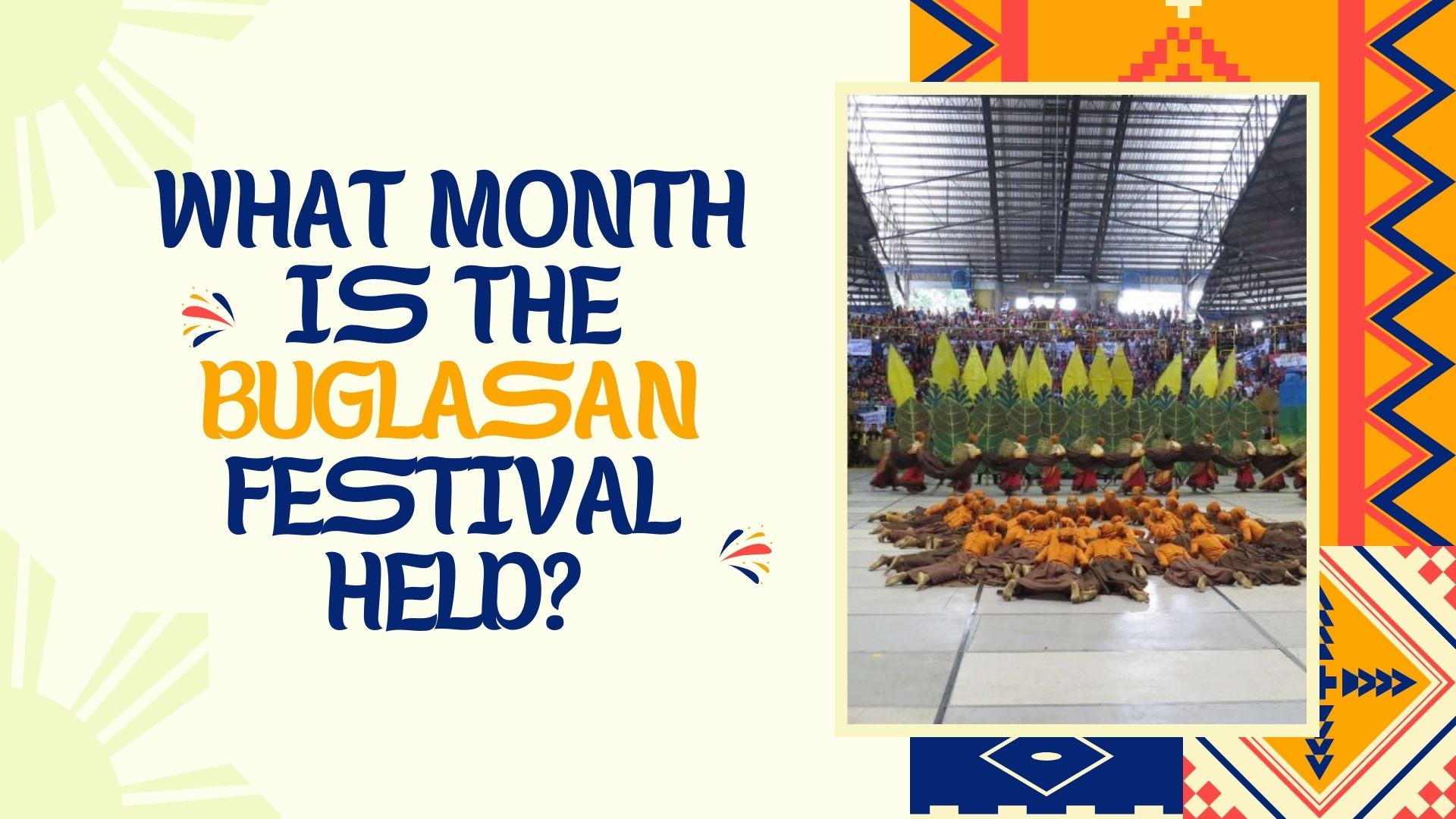
What Month is the Buglasan Festival Held?
The Buglasan Festival is held annually during the month of October in Negros Oriental, Philippines. Specifically, it takes place in the middle weeks of October, often lasting for about one and a half to two weeks. This cultural festival, which showcases the unique heritage, traditions, and local festivals of the towns and cities across the province, has become a key highlight of the province’s cultural calendar and an important event for both locals and visitors.
History of the Festival Date
Originally, when the Buglasan Festival was conceptualized in the early 1980s, it was celebrated in December. However, in 2002, the festival date was moved to October to coincide with the Negros Oriental Foundation Day, which commemorates the founding anniversary of the province. This shift in the festival’s schedule was a deliberate move to consolidate the provincial celebrations into a single, grand event that highlights the cultural diversity and unity of Negros Oriental. October was chosen as the ideal month to hold Buglasan not only because of the Foundation Day but also because it is a dry season in the Philippines, providing more favorable weather conditions for outdoor events, parades, and performances. This change allowed the festival to flourish in a more festive atmosphere, as it is typically marked by sunny days and clear skies—ideal for the colorful street dancing and grand parades that are part of the festivities.
Duration and Timeline
The Buglasan Festival is typically held for around 10 to 15 days, depending on the specific year’s schedule of activities. It often begins in the second week of October and continues until the third or fourth week of the month. The exact dates may vary slightly each year, but the celebration always falls within the middle weeks of October.
Conclusion
The Buglasan Festival began as a simple celebration of the different municipalities and cities of Negros Oriental, but over the years, it has grown into one of the most important cultural events in the province and the Philippines. Rooted in the ancient history of the island, Buglasan has evolved into a vibrant and dynamic festival that brings together the diverse communities of Negros Oriental. It serves as a powerful reminder of the rich cultural heritage of the region, while also fostering unity, pride, and a sense of belonging among its people. As Buglasan continues to evolve, it remains a beacon of Negrense identity, proudly preserving and promoting the traditions that define the province.
Want to visit Buglasan and try our tours? Inquire now! please fill up the form.